
Search


£99.99
Out of stock
Model:
401535
Reference:
AQ13102502
Key Features
- Performance grade Aquatexx Material
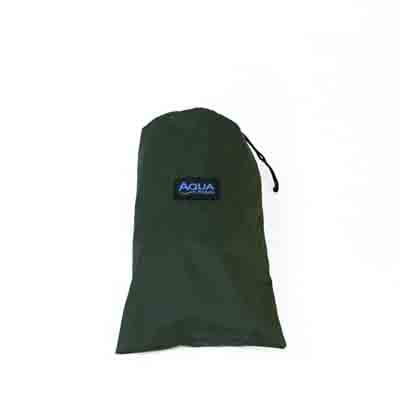
- Carry bag
- Small pack size
- Twin skin for the Atom bivvy
Free UK Delivery
Join MyAD Plus for just £9.99 a year and get FREE Priority delivery on ALL orders over £25 (1-2 working days)
Free UK Delivery on all orders over £25 (3 to 5 working days)
Priority Delivery from just £6.99 (1-2 working days, please note that during busy periods delivery may take an additional 2-3 working days.)
Interest Free Credit (0% APR)


Award Winning Customer Service

We aim to deliver the best customer service and sales support in our industry. Let's get you the answers you need as quickly as possible.
If you have any queries, please see our frequently asked questions at FAQs
Description
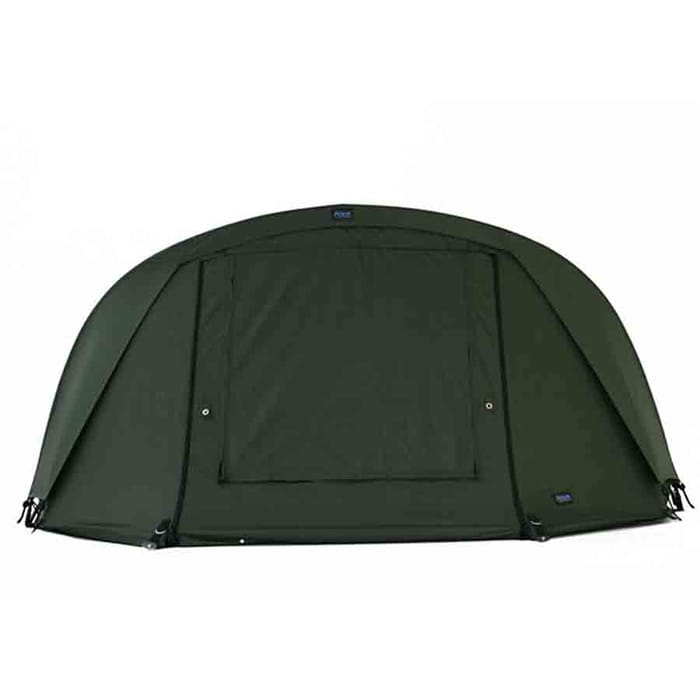
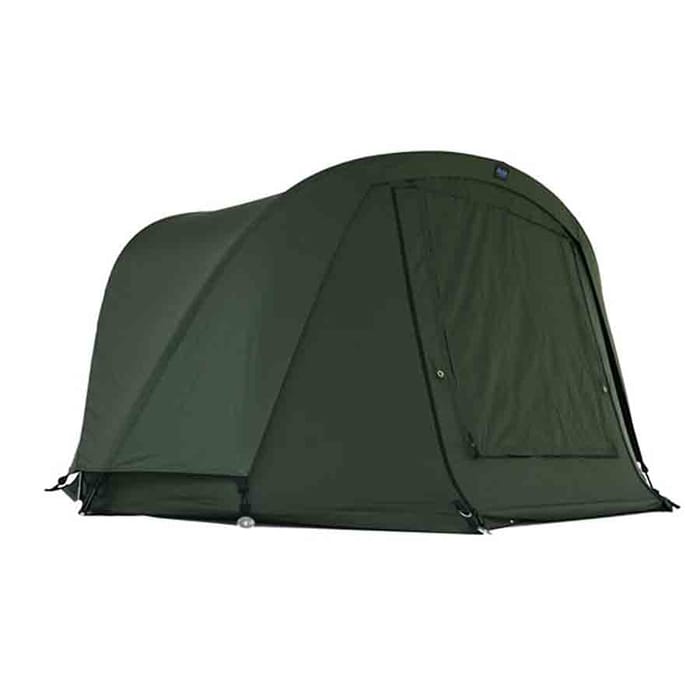
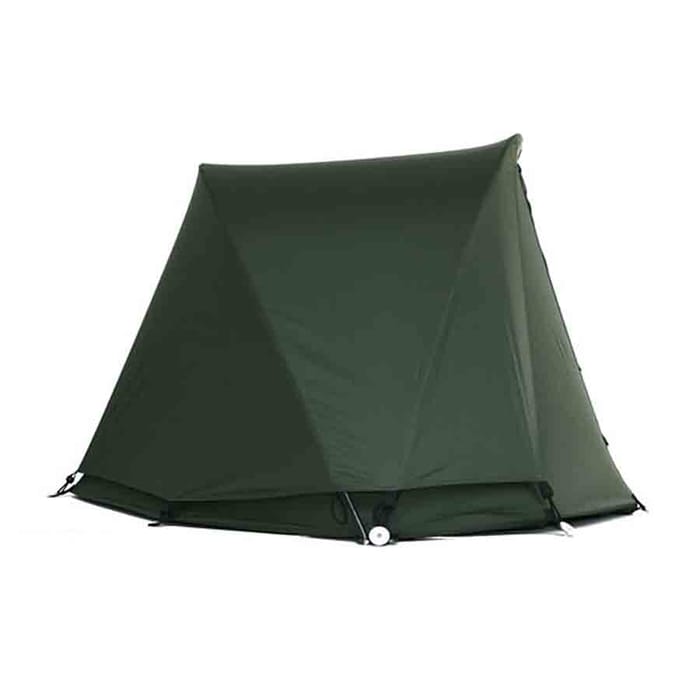
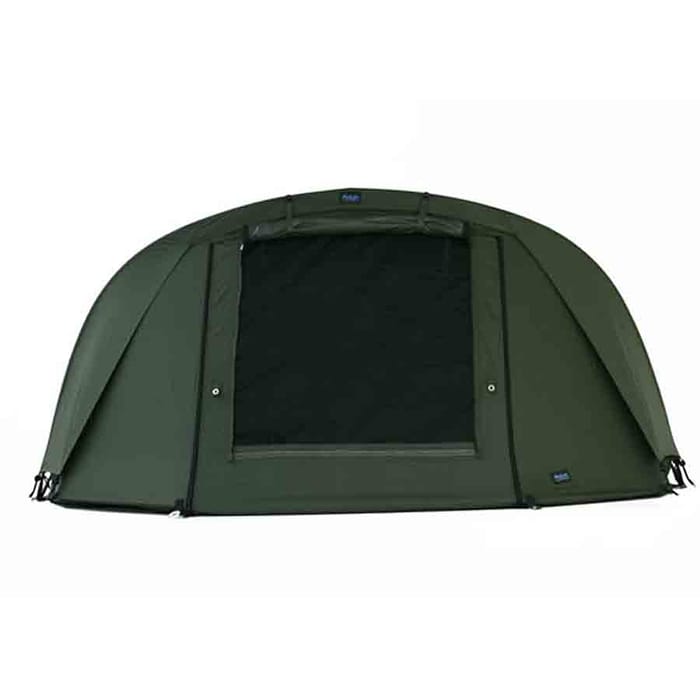
Aqua Atom Wrap
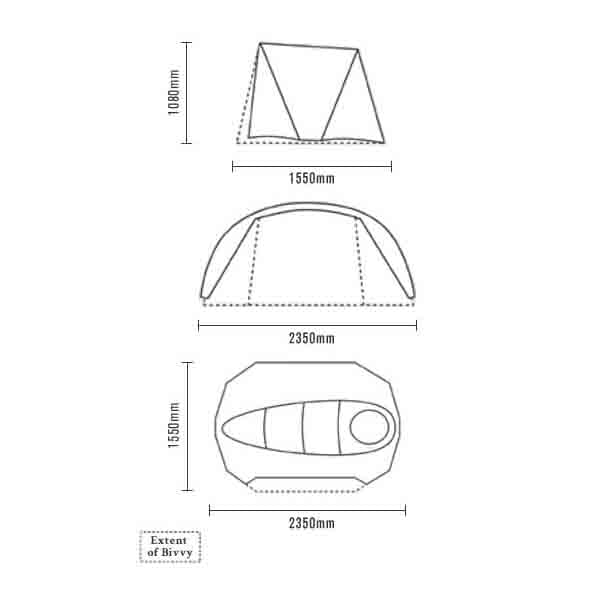
Part of the new Atom Concept collection for the mobile angler, we are proud to present a simple wrap for the Atom bivvy.
The perfect accompaniment for the mighty Atom, this Aquatexx wrap covers the bivvy to ensure that condensation is kept to a minimum.
It packs down to the size of a bag of sugar and is perfect for the mobile angler who wants to keep weight to the absolute minimum.
The Aquatexx used for this product has reached a hydrostatic head of over 14000mm/H20 (mbar) in tests by an independent testing laboratory.
What does Hydrostatic Head mean?
In simple terms it is an accurate measurement of the water repellency of a material.
Rain resistance is measured as a hydrostatic head in millimetres (mm). This indicates the pressure of water needed to penetrate a fabric. This is simulated, in a simple way by placing a tube onto a piece of the fabric to be rated. Water is steadily added until it forces its way through the material. Just before it penetrates the material is the hydrostatic head measurement.
There are lots of factors that affect the Hydrostatic Head, heavy or wind-driven rain has a higher pressure than light rain, standing on a groundsheet increases the pressure on any water underneath, the pressure of rucksack straps on a jacket increases the pressure on the shoulders and so on...
Fabric with a hydrostatic head of 1000 mm or less is best regarded as shower resistant, with 1500 mm being usually suitable for summer camping. Tents for year-round use generally have at least 2000 mm; expedition tents intended for extreme conditions are often rated at 3000 mm.