
Search
Match Masterclass - The Most Accurate Way to Fish Maggots

During the winter months, water clarity on commercial fisheries often improves dramatically, and with that comes a change in fish behaviour. Carp, F1s and silvers become far more wary, regularly backing away from the margins to avoid having a pole constantly passing over their heads. Instead, they tend to settle further out in open water, where they feel more comfortable and less pressured.
For match anglers, this usually leaves two main options: fishing the waggler or turning to a feeder. While the waggler is a great method, feeding maggots accurately at range with a catapult can be difficult to repeat cast after cast. A feeder, on the other hand, allows you to deliver maggots to exactly the same spot every single time. And when accuracy really matters, that consistency can make all the difference. That’s why, in this Match Masterclass, we’re going to focus on maggot feeder fishing and explain why it’s one of the most reliable winter tactics you can have in your armoury.
Why the Maggot Feeder Is So Underrated
Maggot feeder fishing is a method that often gets overlooked, but in clear winter conditions it can be devastatingly effective. When fish back away from the pole line, anglers are forced to fish further out, and while both the waggler and feeder will catch fish, the feeder simply offers far greater accuracy.
With a small maggot feeder clipped up, every cast lands in exactly the same place. Instead of spraying bait around a general area, you’re creating a tight feeding zone that fish can confidently return to. Apart from fishing on the pole, this is probably the most accurate way of fishing maggots, which is exactly why it deserves far more attention than it often gets.
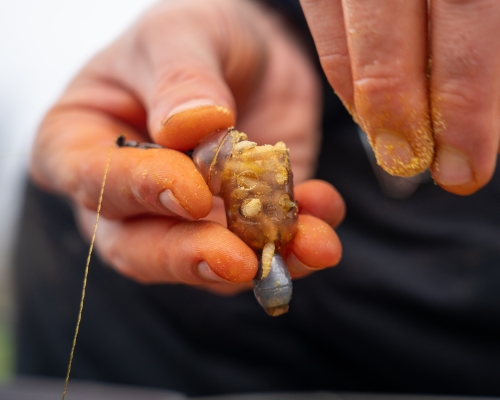
An Active Approach That Makes Things Happen
The style of maggot feeder fishing that I prefer is very active. Rather than casting out and waiting for long periods, this approach is all about regular recasts and creating constant movement in the swim. I usually only have a three-minute cast to begin with, although many of the bites come far sooner than that. And after about two minutes it starts to get much less likely that a bite will come.
Each cast introduces just a small amount of bait, usually eight to ten maggots, and as the feeder hits the water, some of those maggots are flushed out immediately. As the feeder sinks, more bait trickles down through the water, creating a slow rain of falling maggots. This is where the method really comes alive. Fish are far more likely to respond to bait that’s moving and falling than bait that’s sat motionless on the bottom, especially in cold water.
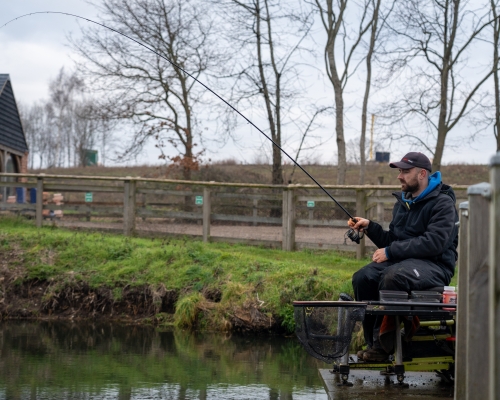
Understanding the Bite Window
In many cases, the most effective part of this method is the first minute or so, while the maggots are still falling through the water. On a typical commercial venue with five or six feet of water, it can take around forty seconds for the bait to reach the bottom, and it’s during that period that fish are often most active.
Once everything settles on the deck, the swim can go quiet. At that point, you’re relying on a fish picking up a static bait, which will still happen, but far less consistently. That’s why regular recasting is so important. By keeping the feeder going back in, you’re constantly reintroducing movement, scent and visual attraction, which helps keep fish feeding confidently.
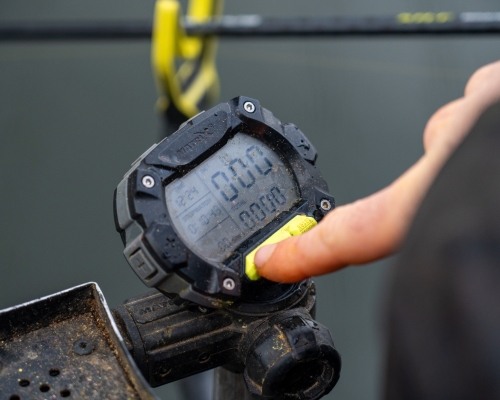
The Maggot Feeder Rig Explained
The rig I use is designed specifically to maximise that falling-bait effect. It starts with a very small maggot feeder that runs freely on the main line. Below the feeder is a rubber float stop and a short twisted boom section, finished with a quick-change swivel. This boom helps push the hooklength away from the feeder and dramatically reduces tangles, as long as the swivel sits below the feeder itself.
I usually start with a hooklength of around a foot, but this can be adjusted depending on how the fish are feeding. A longer hooklength allows the hookbait to fall more slowly, increasing the amount of time it spends drifting naturally through the water. Shorter hooklengths improve hooking efficiency but reduce that slow-fall effect. Finding the right balance is key and often changes throughout the session.
There is another way to fish the maggot feeder, using an inline-style feeder and a much shorter hooklength of four to six inches. This setup offers far better hooking properties and can work well when fishing for fewer, bigger fish and leaving the feeder out for long periods.
Improving Your Maggots for Winter Fishing
Although maggots are a super simple bait, there’s still things you can do to make them more effective. I use both red and white maggots and I keep them separate so I can switch between them if needed. Often, simply changing colour can make a big difference when fish become cautious.
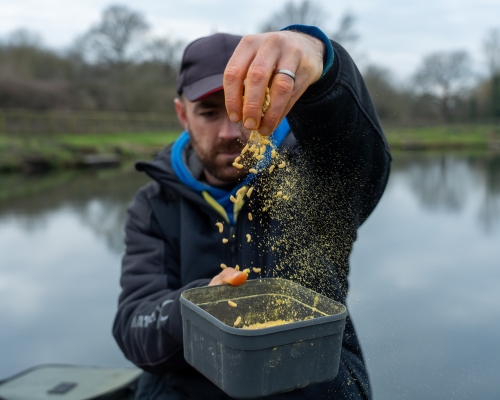
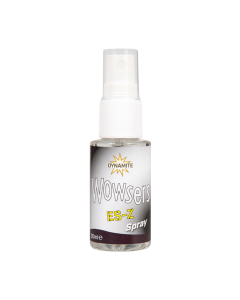
To enhance them further I use Dynamite Baits Shake & Catch, using Red Krill on the red maggots and F1 Sweet on the whites. This helps keep the maggots dry, just like maize would and adds colour and introduces extra attraction. It’s a no-brainer really. Preparing maggots the night before gives the flavours time to soak in properly and keeps them in perfect condition for the session.

Tackle Considerations
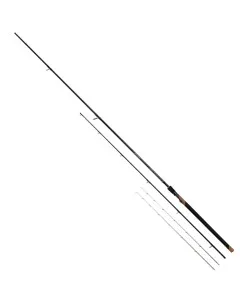
When bites are at a premium, having the right tackle makes a big difference. I use a lightweight 11ft medium feeder rod with a very soft quiver tip, typically around one ounce. A soft tip allows you to see delicate indications and helps prevent the feeder from being dragged out of position when sinking the line.
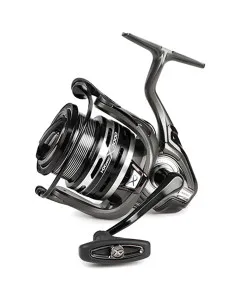
I pair it with a 3000 or 4000 size reel loaded with 4lb mainline, a 4lb hooklength and a size 16 hook. Everything is kept light and balanced, with the sole aim of getting as many bites as possible during tough winter months.
Final Thoughts on Maggot Feeder Fishing
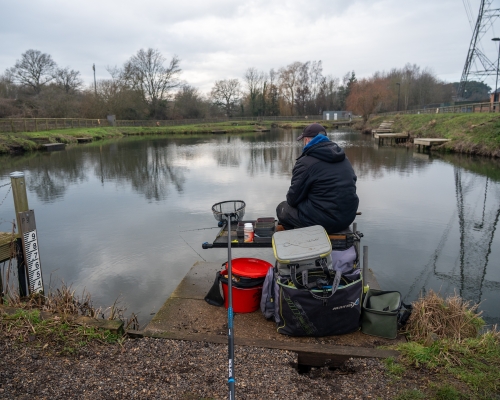
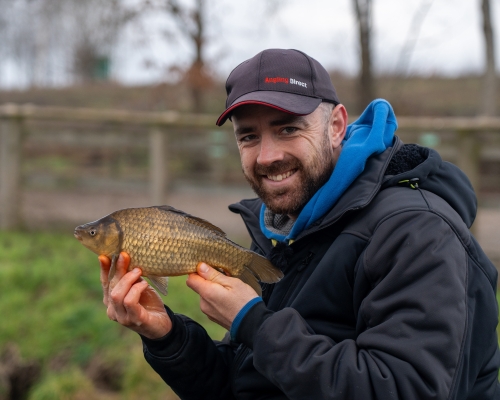
Maggot feeder fishing is a method that many anglers have drifted away from, but sessions like this show just how effective it can be when fish move away from the pole line. Fished actively, with regular casting and a focus on bait falling through the water, it’s one of the most consistent ways to catch fish in clear, cold conditions.
If you haven’t used the maggot feeder for a while, this is the perfect reminder to give it another go. It’s accurate, engaging, and really effective on its day.
Check out the Video below and we’ll catch you for the next episode of match masterclass. Tight Lines!
Check out video below...
Products Used In This Video...
-
-
-
-
-
 £12.99 - £15.99


-
-
 £2.59
£2.59 -
-
-

-
 £19.99
 -
 £58.99
 -
 £68.99
-
 £2.89 - £5.29
 -
 £5.59 - £5.79
 Save up to £2.66