Search
ADTV Match Masterclass - Master the art of the Catapult
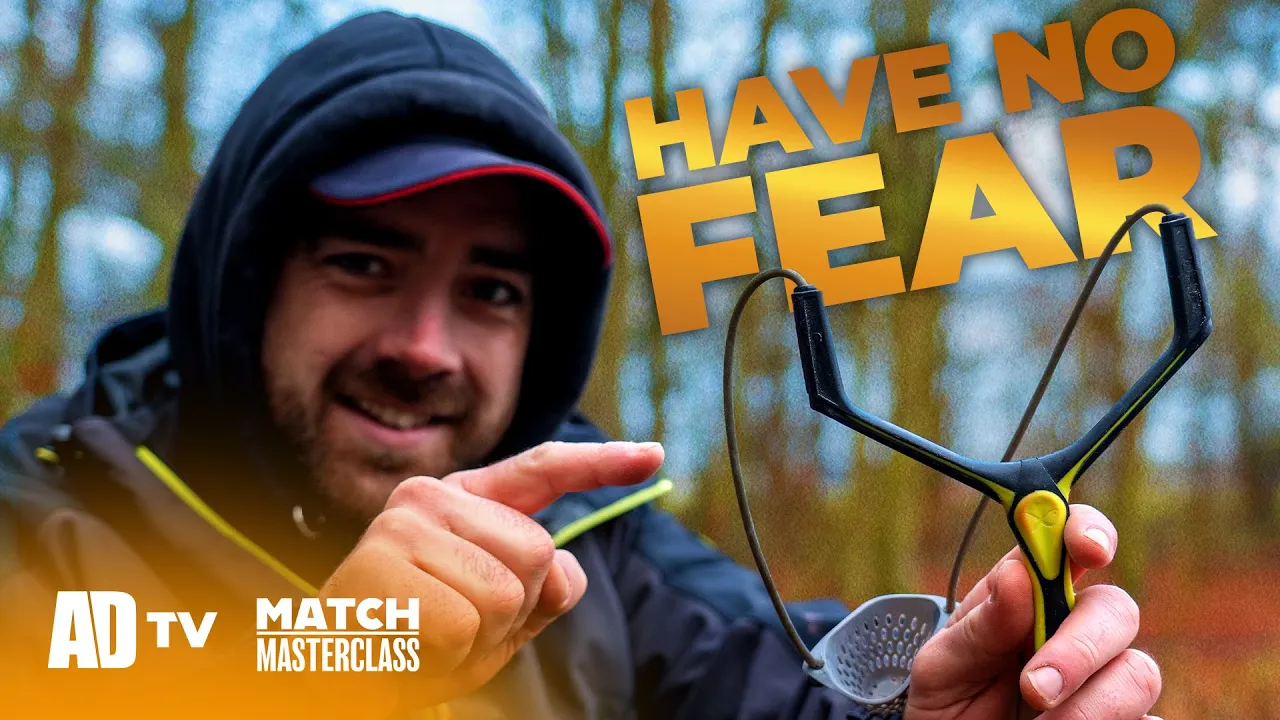
Welcome to my winter fishing guide on how to use a catapult effectively. It's often something that anglers are a bit scared to pick up in winter but If you’ve ever struggled to get fish feeding during the colder months, this might just be the edge you’ve been looking for. With temperatures barely rising above freezing, I’ve been out at The Old Stables lake in Norfolk, the place where I first got into match fishing, to show you how the humble catapult can be your best friend no matter what the weather is doing.
Why Use a Catapult in Winter?
First of all we need to talk about why we are using a catapult. In winter, fish behavior changes significantly. As water temperatures drop and clarity increases, fish rely more on sight than smell to locate food. This makes movement in your bait presentation and feeding strategy super important and we have seen this time and time again on the underwater footage, once a bait rests on the bottom, it becomes far less attractive to winter fish.
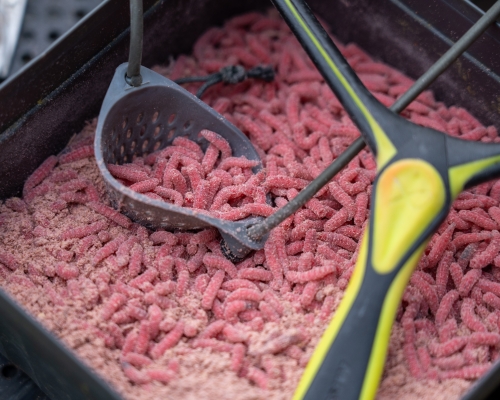
It's very important in these conditions to keep a trickle of bait falling through the swim. A catapult allows you to deliver small quantities of bait accurately and regularly. This session, I focused on feeding 4mm pellets and maggots using a Matrix catapult with the heavy elastic which is ideal for baiting at pole range.
-
 £13.09 - £14.09
 -
-
Timing your casts
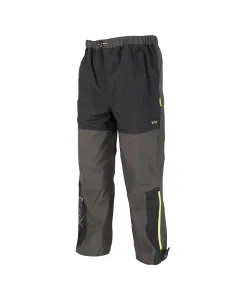
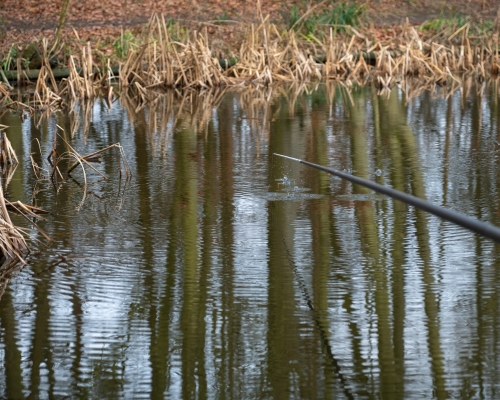
One of the most important things about using a catapult effectively is timing your casts to coincide with your maggots falling through the water column. The goal is to create a steady trickle of bait that draws fish into the swim and keeps them there without building up a bed of bait on the bottom and overfeeding. Every four or five minutes, I fire a small group of six to eight maggots into the swim. And then lift and drop my rig every couple of minutes so that my hookbait is falling through the water with the freebies. You will find that the most likely time for this to provoke a bite is just when the rig is settling towards the bottom. To make the most of the catapult, you need to feed in tight clusters. A little bit of practice is essential here. It might take a few shots to judge the power needed for different distances. Once you are hitting the right spot, make sure you are aiming in the same place each and every time.
-

 £5.69
£5.69 Save up to £0.70
 -
 £4.79
Save up to £0.30
£4.79
Save up to £0.30 -
 £2.99
£2.69
£2.99
£2.69

Don't put all your eggs in one basket.
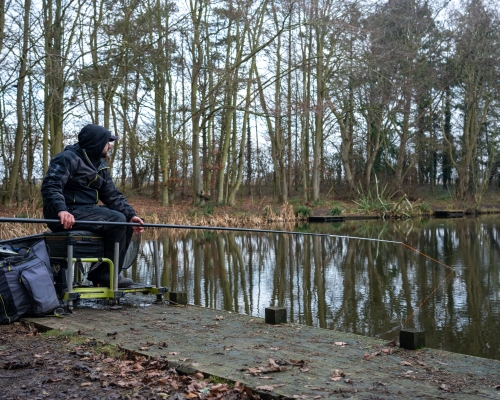
I fished several different lines throughout the session to keep my options open. There are a couple of reasons for this. To start with you can find out what bait is working best. I purely fed maggots on some lines, to keep things simple, while on others, I introduced a small pinch of 4mm pellets to see how the fish responded. This approach not only helped me gauge the fish’s preferences on the day but also gave me the flexibility to switch between areas of different depths to help locate the fish and see if they moved up into shallower water during the ever so slightly warmer daytime temperatures. The other main reason is that you can rest lines if the fishing starts to slow down. Often if you take your rig out of a swim for a while and maintain regular feeding you can tempt fish to return to the area, and by doing this on rotation you can keep catching all day, even in January!
Final thoughts
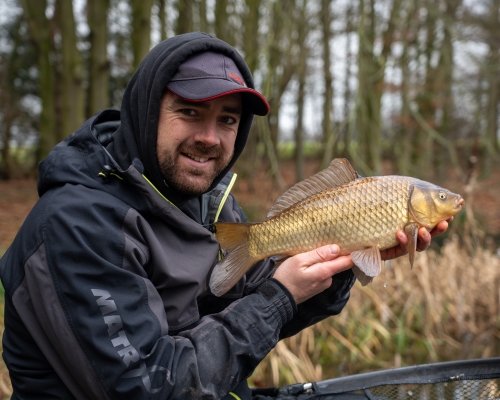
By feeding little and often, I managed to keep fish active in the swim for the duration of the session. The tight baiting pattern helped concentrate the fish, leading to more bites and better hook-ups. I landed several absolutely pristine winter carp, the largest being around four or five pounds. Using a catapult in winter might seem like a scary thing to do, but it can transform your fishing. The ability to feed accurately, keep the fish interested, and adapt to challenging conditions makes it a must-have skill. If you’ve got a session coming up, why not give it a go? And if you’re looking for tips or gear recommendations, check out more Match Masterclass on the ADTV Youtube channel!
Stay warm and tight lines!