Search
Spring Carp Fishing - Catch More Carp
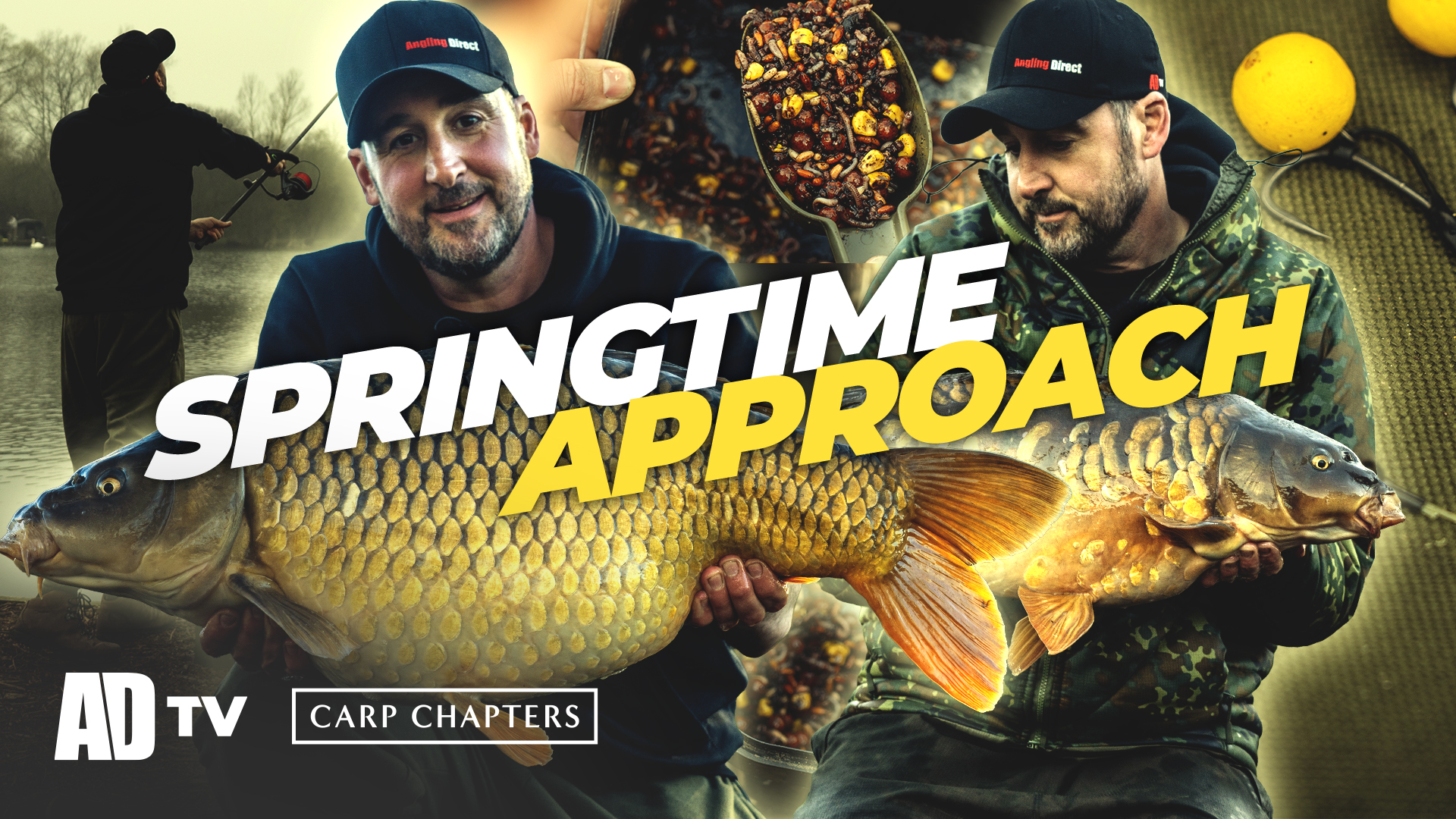
Spring has finally sprung! And I imagine that most of you reading this will absolutely love carp fishing at this time of year too. Don’t get me wrong, I love my winter fishing, the chub, pike, and perch, but as a carp angler through and through, early spring is hard to beat. Everything starts to come alive again, the birds are singing, and most importantly, the carp are waking up and starting to feed.
But spring can be a tricky time. Get it right, and you can have some incredible sessions. Get it wrong, and it can feel just like the middle of winter. Here are my top do’s and don'ts that can either make or break your spring carp fishing.
Location is Everything in Spring
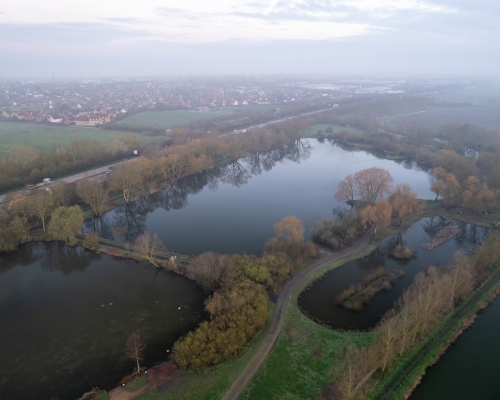
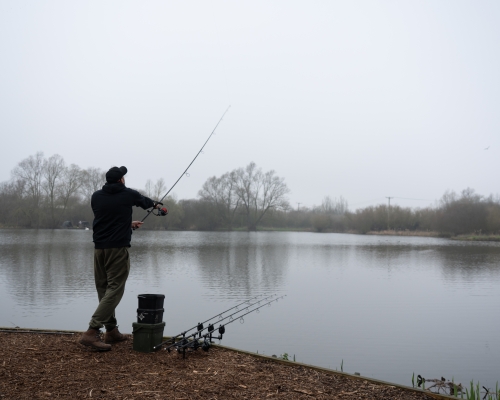
If there’s one thing I always bang on about when I go carp fishing it’s location, and in spring, it’s even more important than usual. The fish are constantly on the move, searching for the warmest water they can find. That often means you should be looking at shallower areas, margins, or spots that get the most sunlight throughout the day.Here on A12 lakes you do have to book your swims in advance and on this occasion I opted for swims 17 and 18. There was a long, shallow no-fishing bank to my right, and with the sun hitting that area, it seemed likely that carp would visit it. Since it wasn't busy when I arrived there may have been a possibility of me changing swims but as I had a walk around I did actually see a few fish breaking the surface in 17 and 18. Happy days.
Simple but Effective Carp Tactics
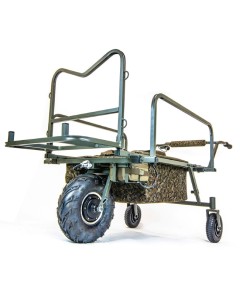
Once I had picked my swim and found some fish it was just a case of getting everything off of the barrow and set up. I decided to keep things simple and fish all three rods on one spot. The key in spring is not to overdo it. The carp aren’t fully switched on yet, so piling in loads of bait on multiple spots tends to work against you.
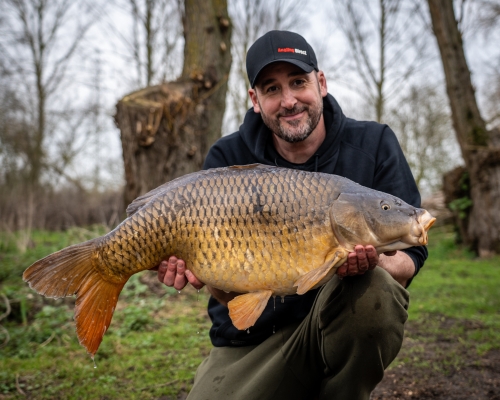
Instead, I went for a “softly, softly” approach. Just a small amount of bait spotted out over the top of three accurately placed rods should be enough to nick a quick bite, then you can build the swim gradually if the fish respond. On this occasion it didn't take long for that plan to come together either, with a bite coming within the first 20–25 minutes. An amazing fish to start, a chunky common at 25lb 8oz.
Bait Choice for Early Spring
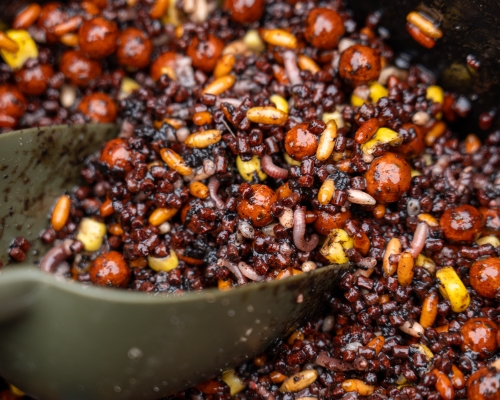
Bait choice played a big part in this session, and I deliberately used small baits and kept everything mostly natural. Rather than using big boilies or heavy food items, I opted for a mix of casters, chopped worm, micro pellets, and a few 10mm CC Moore pro-stim boilies to add a little bit of substance.
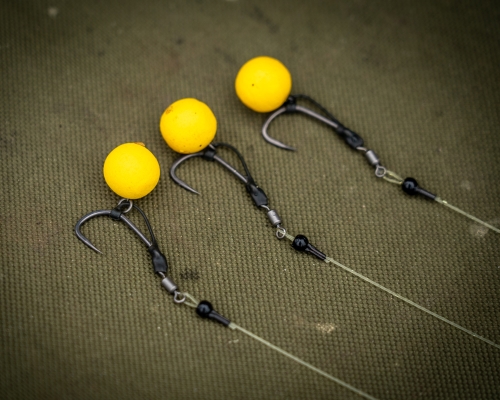
The aim of an approach like this is to provide a lot of attraction without overfeeding the carp. These smaller items create plenty of interest in the swim without filling the fish up, encouraging them to keep searching around. I then use small bright yellow popups as a hookbait which stand out massively and for whatever reason, seem to be really deadly in early spring.
Spinner Rigs get the Job Done
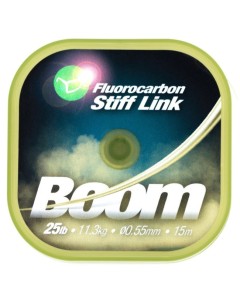
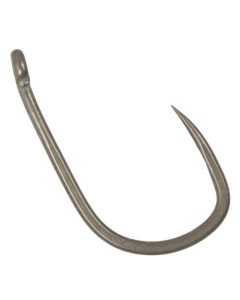
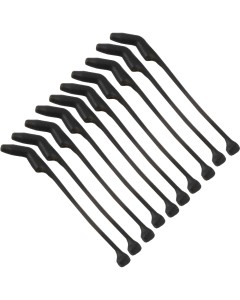
Rig-wise, I stuck with a tried and tested spinner, they've become a real staple in modern carp fishing and they’re excellent for being able to change hooks really quickly and easily. I keep a few hooks ready with D-rig Kickers already attached to make life even easier when it comes to changing them. I find that these push the hookbait a little further from the bend of the hook and give everything a little more room to turn in a carp's mouth. I use a 25lb stiff link for the boom section and I crimp a tungsten bead at the hook end forming a loop, again just to add a bit more movement. I fish my spinners on a fluorocarbon leader with a lead clip and a three ounce distance style lead.This keeps everything pinned down nicely and provides plenty of hooking power.
Adapting to the Conditions
At the very start of day two the carp's behaviour had changed. I used my trusty binoculars to have a look at my spot and I noticed a number of carp mouthing the surface in the margins. I introduced a single rod using the Deeper QUEST Bait Boat into the margins under a tree in just four feet of water, near to where I had previously seen the fish. Bait boats are obviously a massive edge when you are allowed to use them as I would never have been able to cast into this tight spot at this kind of range. And they enable you to place a small patch of bait with minimal disturbance around your rig.
A Session to Remember
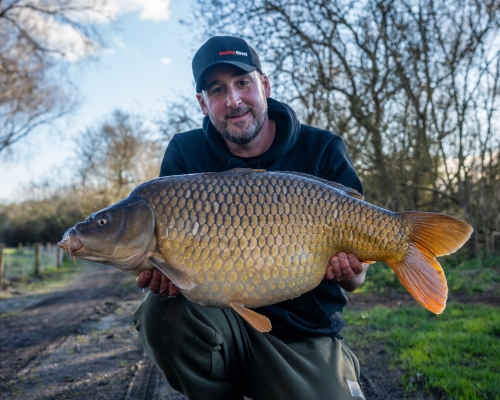
As the session went on everything started to come together nicely. I started getting bites a bit more frequently and midway through day two I lifted into one that felt a bit bigger. After nearly taking out my other lines I eventually got this fish under control and as soon as it was in the net I could see that it was the best one of the session so far. It was a really fat common in amazing condition and at just shy of 30lbs this one absolutely made the session for me.
Why Spring is So Special
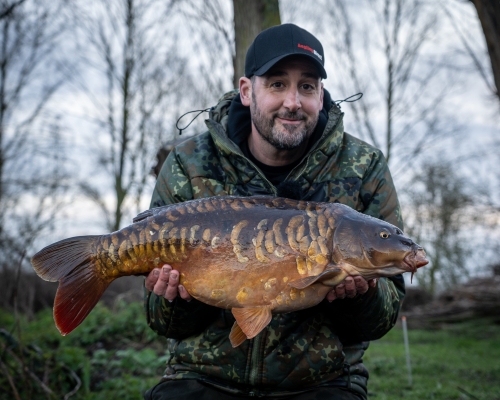
The final morning was a bit more gloomy, but this time we did manage a couple of fish. The first was a small common which we returned nice and quick and the second was a pearler of a little mirror which we did photograph as it was such a nice looking fish. For me, this session was exactly what spring fishing is all about. The fish are waking up, they’re on the move and they're willing to feed again if you get your tactics right. It’s not about going heavy on bait or overcomplicating things. It’s about watercraft, observation, and making the right decisions at the right time.
Check out the full video to see exactly how the session unfolded, and hopefully, it’ll give you a few ideas to take into your own spring fishing. Tight Lines!
Check out video below...
Products Used In This Video...
-
-

 £1,849.99
 -
-
-
-
 £449.99
 £399.99
 -




Chod Rig Essentials
-
 £5.19
£5.19 -
 £12.19
 -

Sticky Baits
-
 £7.59 - £7.69
 -
-
 £2.99
£2.69
£2.99
£2.69 -
 £13.29
 -