
Search
The PVA Bag Comeback - Barston's Most Effective Carp Tactic - ADTV -Match Masterclass
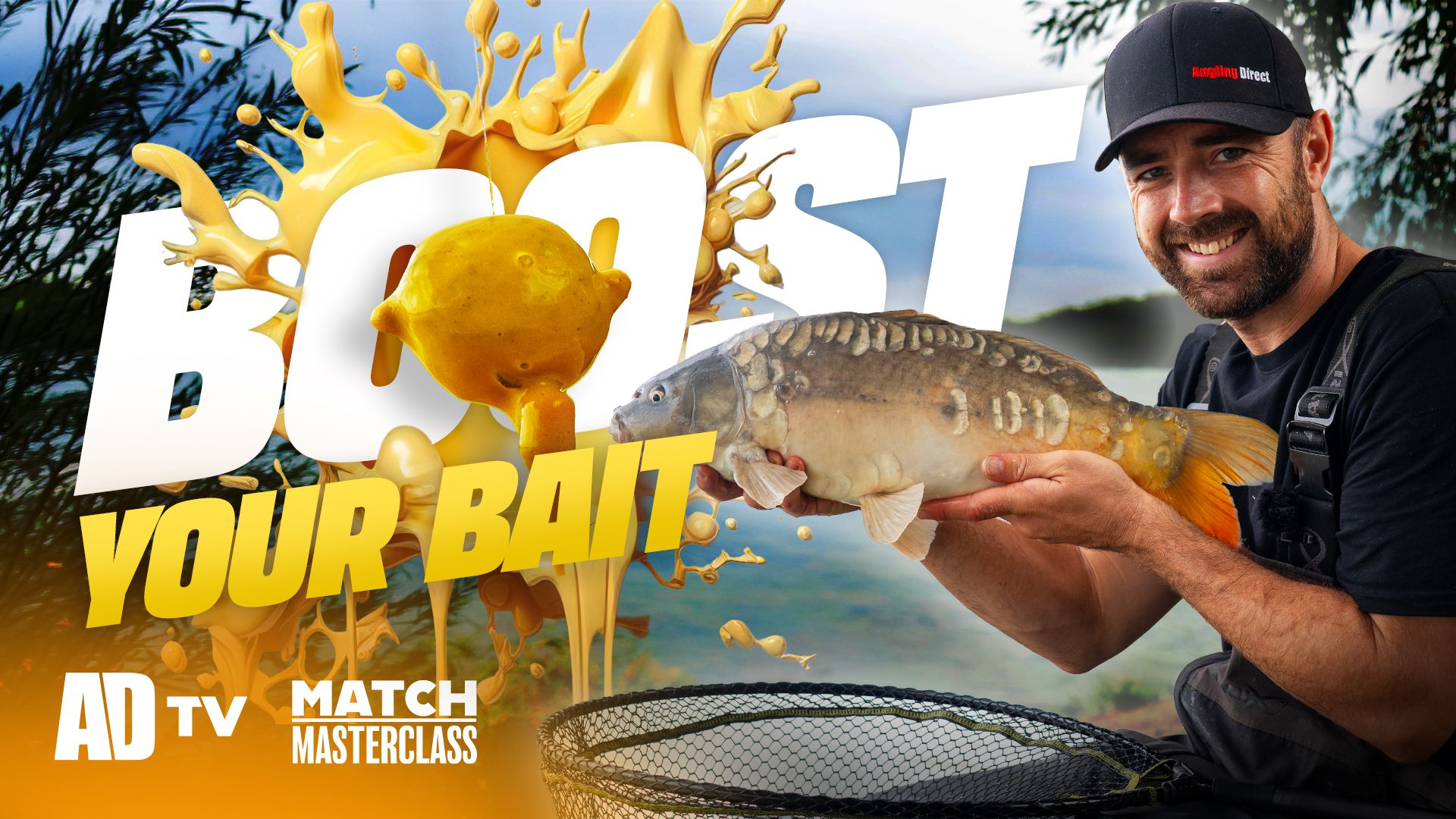
Everywhere you look at the moment, anglers are catching on PVA bags. The bags they're using are heavily boosted and fished in a particular style, so that’s exactly the approach I’m taking in this Match Masterclass at Baston. The venue is packed with carp, and with plenty of other species competing for the bait, a heavily boosted PVA bag fished over a positive bed of bait can be an incredibly effective way of putting fish on the bank.
Building a Positive Baiting Approach
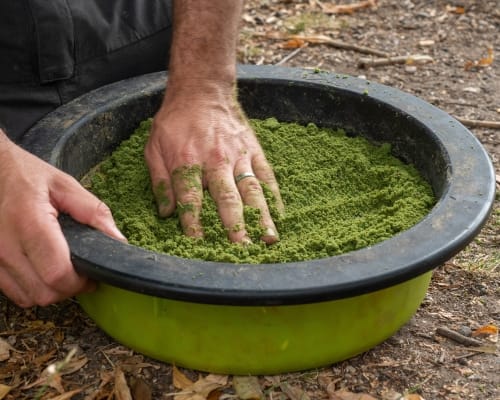
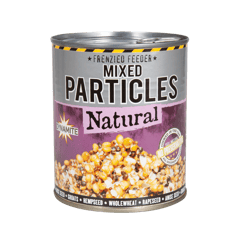
To start the session, I’m using a big bait-up feeder to create a decent area of bait. Accuracy is really important with this so I’ve clipped my baiting rod up at exactly the same range as my fishing rods and I am going to begin with three feeders of bait on the spot. The mix is made up of roughly 50% Dynamite Mixed Particles, giving me a heavy, gloopy selection of different-sized particles including hemp, sweetcorn, maize and barley. I’m also adding soaked 2mm Method Micros because they grip nicely in the feeder, along with 6mm pellets and Dynamite F1 Green Groundbait.Once that bait is down, I can put a boosted PVA bag straight over the top.
Why Timing Is So Important
There is an ideal rhythm to be found with this style of fishing. To begin with I only leave each cast in the water for between 3 and 4 minutes. There are plenty of skimmers, roach and other fish in the lake, so there is a lot of competition around the bait. The idea is to keep putting bait in and keep your hookbait working until the carp turn up. If I go two casts without catching a carp, I’ll pick up the baiting rod and put another three feeders over the spot. In fact we had to take a 30 minute break at the start of this session due to the rain and right off the back of restarting the swim with three more feeders we were rewarded with a huge baston carp. It goes to show how sticking to this baiting rhythm can be incredibly effective.
Fishing with Boosted PVA Bags
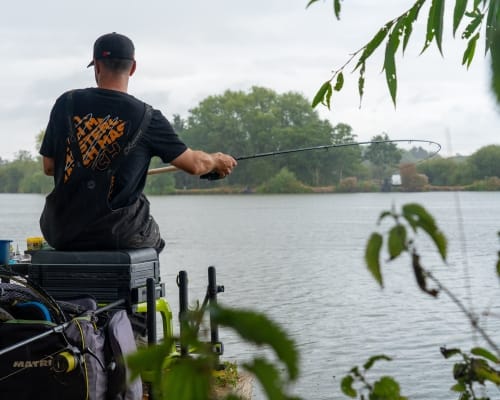
I like to have three hook links in rotation. One is fishing, one is ready to go and the third is either being prepared or sitting in the dip. That means when a fish comes along, I can change over quickly and get another bag back out without wasting much time. It’s important to stress that this isn’t something I’d automatically do at every venue. If you were fishing somewhere with fewer fish, you could easily extend the time between casts and give the swim longer to develop. Here at Baston, though, I know that the more I work, the more fish I can potentially catch.
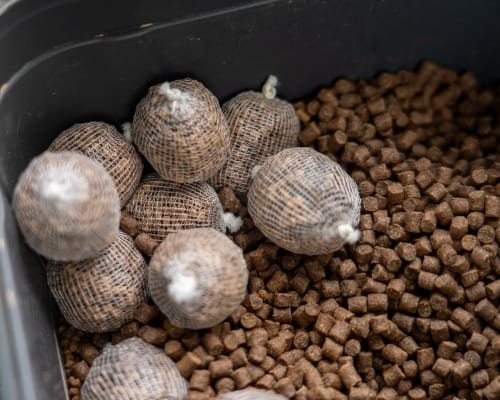
The bags themselves are incredibly simple, but the attraction they provide is what makes them so useful. Inside each bag I’m using a mixture of 4mm carp pellets and the 2mm Method Micros from the same mix I used for baiting. I prepare a good number of bags before I start fishing, usually around 20, so that I’m not constantly having to make them from scratch when the action starts. For hookbaits I have been using wafters in 5 and 7mm sizes. Once the bag is tied, I use a bait needle to thread the hookbait right through the middle of it. Rather than simply hooking the bag on, threading it ensures the hookbait stays amongst the contents of the PVA bag during the cast and doesn't kick out to one side. For consistency, I use the same size scoop to fill every bag. Having everything as consistent as possible is really important to this method.
Boosting Your Bags
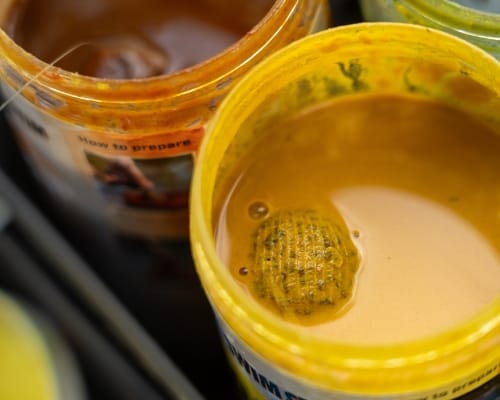
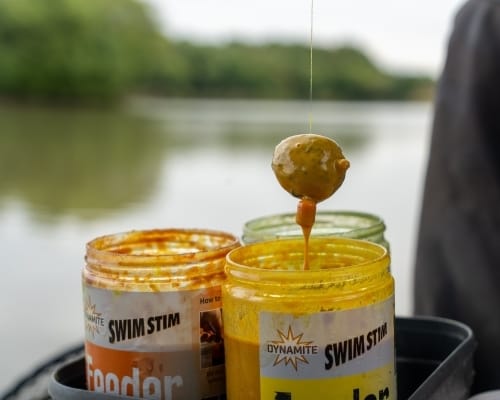
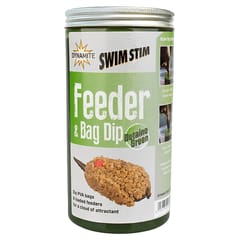
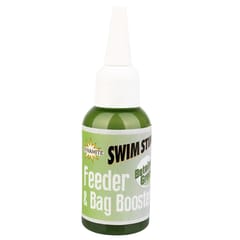
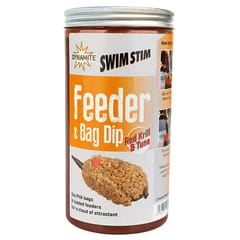
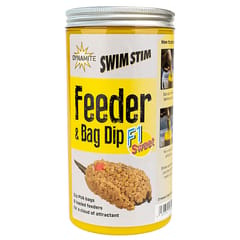
I’ve got three different PVA-friendly dips with me: Red Krill & Tuna, F1 Sweet and Betaine Green. The bags are simply soaked in the liquid before being cast out, giving the whole package a heavy coating of attraction. It's very important to make sure any liquid you use with PVA is PVA friendly, as these dips from Dynamite are, and I generally leave each bag in the dip for up to five minutes. That gives it plenty of time to become fully coated.
It’s also worth mentioning that you don't necessarily need to combine a boosted bag with a big bed of bait. On other venues, these bags can be incredibly effective fished on their own, particularly when the water is colder and you don't want to introduce large quantities of bait. At Baston in warmer conditions, though, the combination of a positive baiting approach and a boosted bag over the top is proving deadly.
How to Tie a PVA Bag
Tying the bags is straightforward, but as with everything in this approach, the more consistent they are the better. I use a large Matrix pot to scoop up the same amount of bait each time. That gives me a consistent-sized bag and means I can keep track of how much I'm introducing on every cast. Once the bag is filled, I tie a tight overhand loop, followed by another overhand loop. I can then cut between the two knots, leaving one finished bag and the start of the next one.
The more bags you prepare in advance, the easier it becomes to maintain the rhythm of the session. Ideally, I want a good supply ready on the side tray, while I'm constantly replacing the ones I'm using. Usually around 20 is a good place to start.
Tackle for PVA Bag Fishing.
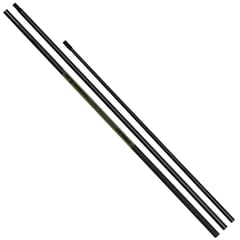
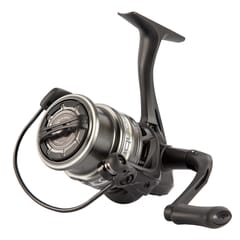
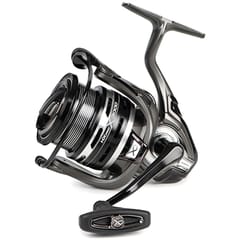
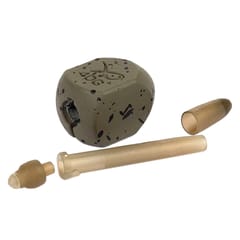
The rig I'm using is simple, but there are a few important details. I'm fishing around 40 metres, so my middle-distance setup is a 12ft 6in Horizon X Class rod rated at 70g, paired with a 4,000-size reel loaded with 8lb mainline. At longer ranges, I'd step up to a longer rod, big pit reel and shock leader, but for this distance I can get away with the lighter setup. I'm using an elasticated inline feeder stem, which helps cushion the fight when you're fishing a reasonably heavy feeder and can reduce the number of fish lost. It's also worth checking the rules at your venue before using an elasticated feeder, as they're not permitted everywhere. The feeder is mounted on a stem system that allows me to change the lead weight, and I'm using a 40g Matrix square pear. The system is designed with fish safety in mind, allowing the lead to come away from the rig if necessary.
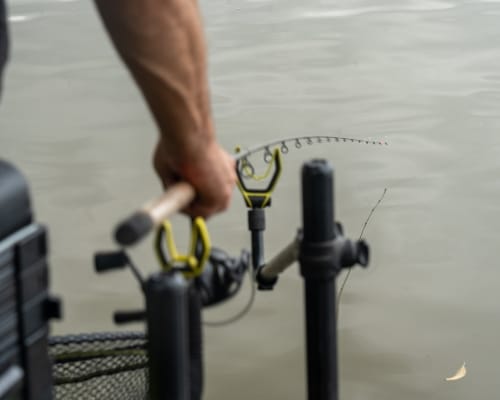
I've also modified the end of the elasticated stem with a small snap-link swivel so I can quickly change hook links. The newer versions of these stems have a quick-change system built in, which makes this even easier. The hook link is around 8 inches long and made from 0.22mm material. That might sound heavy, but there are some very big carp in Baston, so I want plenty of strength. The slightly stiffer hook link also helps kick the hookbait away from the feeder and gives a good presentation.
Don't Be Afraid to Fish Away From the Bait
Although accuracy is incredibly important, there are times when deliberately fishing away from your bait can produce an extra bite. I always start by fishing directly amongst the bait. However, if that starts to slow down, it can pay to experiment around the edges of the feeding area. Carp don't always sit directly over the bait. They can sit to one side, behind it or slightly further away, particularly at venues like Barston where the significant angling pressure tends to push the carp towards the middle of the lake. At one point during the session, I found the carp were sitting just to the right of the bait, with the wind potentially pushing the bait slightly in that direction. By casting just a rod length away, I was able to put my hookbait where the carp were actually sitting rather than where I assumed they should be.
A Proven Approach for Baston
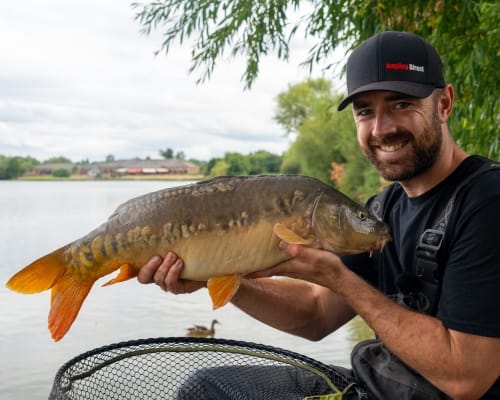
The boosted PVA bag has proved incredibly effective throughout the session, producing some seriously impressive Baston carp despite the challenging conditions. Even the weather couldn't stop the action for long. After a couple of heavy rain showers forced me to take shelter and effectively restart the swim, the combination of three feeders and a boosted bag was soon producing bites again.
It's a tactic that won't necessarily need to be used in exactly the same way in every venue. In colder conditions, or on waters with fewer fish, I'd be far more inclined to use the bags on their own and fish them around to locate the carp. But when you've got a venue packed with fish and they're ready to feed, don't be afraid to be very positive.
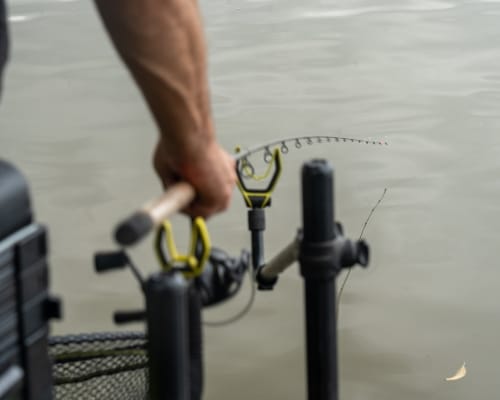
Check out the Video below and we’ll catch you for the next episode of Match Masterclass Tight Lines!
Check out video below...
Products Used In This Video...
-16%
£49.99 - £79.99
£49.99 - £64.99
-11%
£84.99
£74.99
£12.99 - £15.99
-16%
£43.99 - £49.95
-25%
£149.99 - £164.99
Chod Rig Essentials


Save up to £1.00
£8.99 - £9.99
-10%
£49.99
£44.99
£3.89 - £4.59
Sticky Baits

£4.79