Search
The Rig That Keeps You Catching - BREAD WAGGLER - Match Masterclass
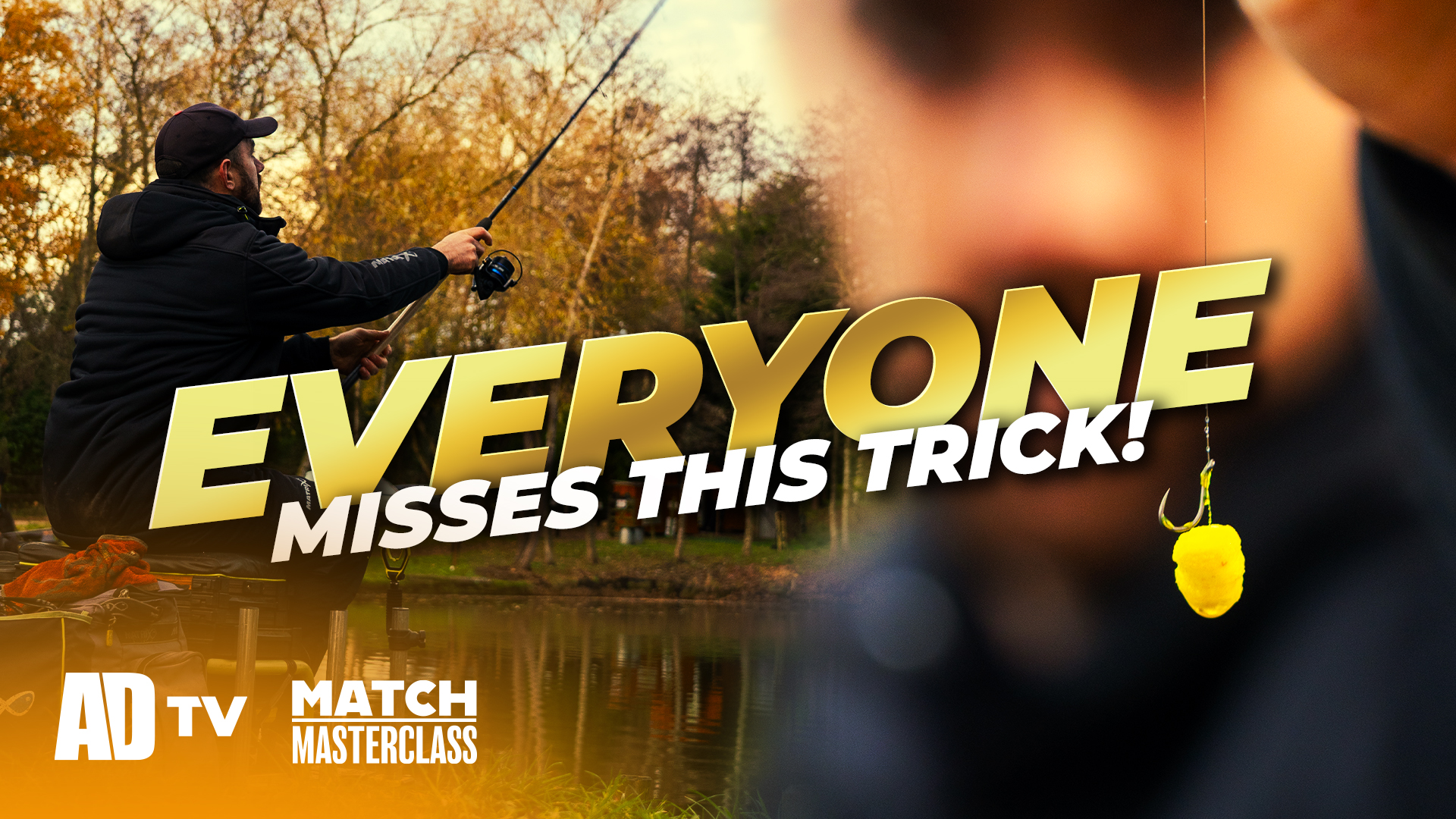
Bread waggler fishing is one of those methods that you really do have to work out on the day. Until you do, it can feel slow and even a little bit demoralising. But once you get that first bite, it becomes a rig that keeps you catching no matter how bad the conditions get. In the depths of winter, after a sharp frost like we had the night before the session, a lot of match anglers turn to dobbing bread on the pole or fishing bread on the bomb. What you don’t see as often is bread fished on a waggler, and that’s exactly why it can be so powerful when you get it right.
Confidence Comes from the First Bite
The first bite was what I needed. Bread waggler fishing can feel very slow until everything suddenly clicks when you locate the fish. I’d been fishing for around half an hour before we started filming this sessiom, moving my casts and adjusting depth, when a single bite instantly transformed my confidence. With this method, one indication is often all it takes to tell you there are fish in front of you.
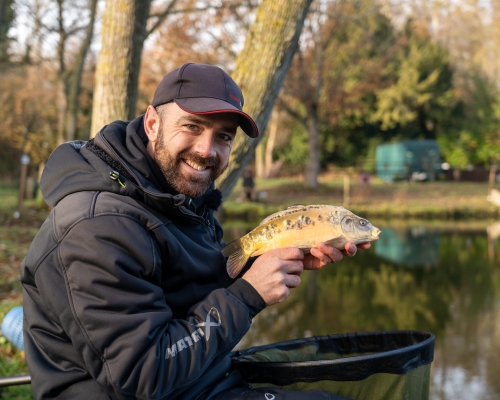
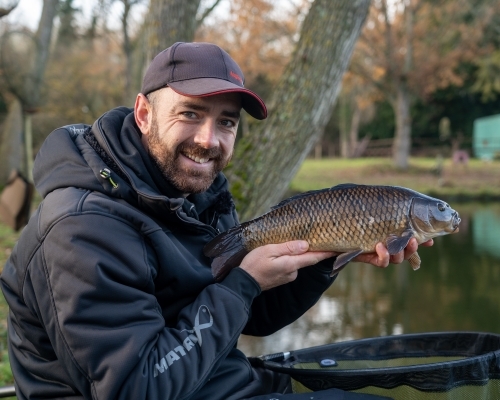
That time spent trying different areas and depths did pay off in the end though as after that thirty minutes I was rewarded with this cool little ghostie.
Finding Fish in Winter Conditions
This style of fishing is all about locating the shoals of fish as they group together in the cold water. Once you get a bite in the winter, it’s rare the fish are on their own, so locking into that area and depth becomes really important.
Winter fish are often grouped tightly, and you need to stay in contact with them. If bites dry up, it’s usually a sign they’ve moved, not that the method has stopped working. Features like reed-beds, aerators and deeper areas in the centre of a lake can be good places to try first.
Movement Is Everything
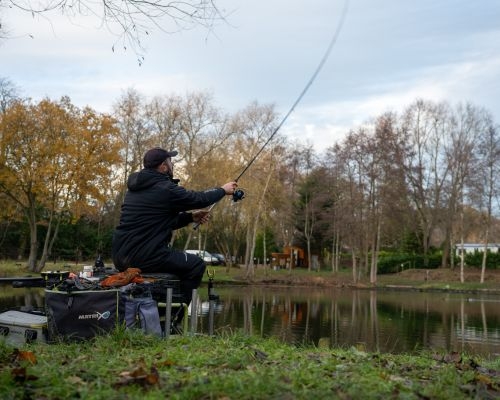
One of the biggest lessons we learned from underwater filming is just how important movement is when fishing with bread. Fish will happily swim past a static bait again and again, but a small movement at the right moment often triggers an instant response.
That’s why dobbing bread on the pole is so effective, you can constantly lift and drop the bait. With a waggler, you can still achieve the same thing by gently tweaking the float or turning the reel handle slightly. Several of the bites in this session came just seconds after adding that subtle movement.
The Bread Waggler Rig
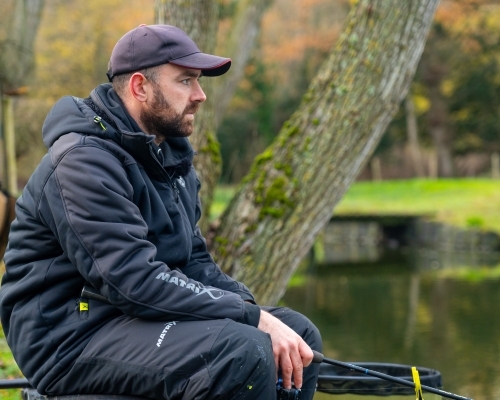
The rig I’m using is deliberately simple. It's actually a pellet waggler rig. I’m fishing a 5g foam pellet waggler float, which gives me enough weight to cast accurately while still offering as much finesse as possible. the float is connected with a few float rubbers and few small shot under the those help it sit lower in the water and behave more subtly than a summer style pellet waggler setup.
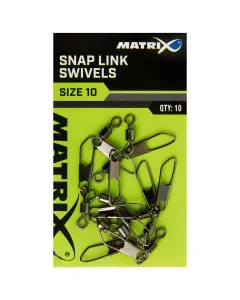
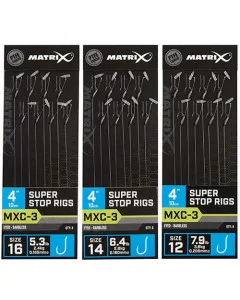
Two feet above the hook I use a small hooklink swivel, wich makes it nice and simple to change hoklinks if we need to. The hooklength is two feet long, finished with a size 16 fine wire hook and a quick stop, which is perfect for quickly hair rigging bread.
Bread Preparation, Flavour and Hookbait Size
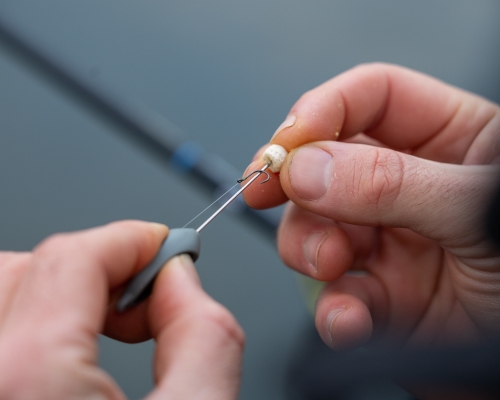
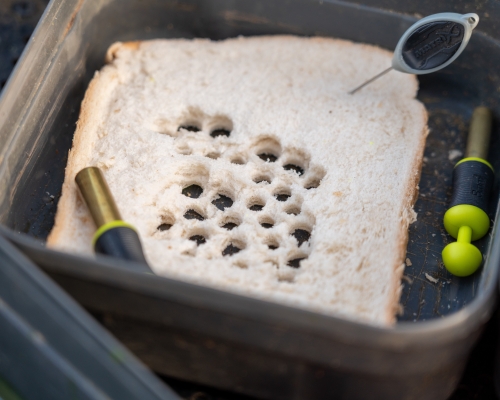
For the hookbait, I punch out three small discs of bread and give them a gentle squeeze so they stay on a bit better during the cast. Hair-rigged on a quick stop, the bread lasts surprisingly well and often survives multiple casts.
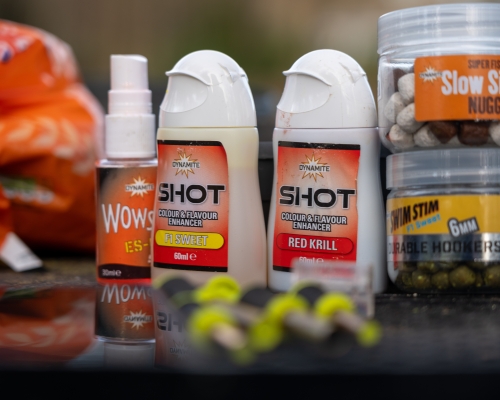
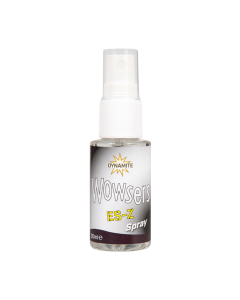
Throughout the session, I dip the bread into Dynamite Baits One Shot F1 Sweet. Underwater footage proved that flavour and colour can significantly reduce bite times. You can absolutely do this with regular bread but it seems that adding that little extra flavour does help. I now favour smaller punches, usually 6mm or even 4mm, especially when F1s are present. Smaller bread is easier for them to take cleanly and results in better hook-ups.
Casting, Depth and Triggering Bites
On this venue there aren’t many obvious features, so I’m fishing towards the middle of the lake, which is where fish often migrate to in colder weather. Most bites tend to come within the first minute of the cast, as the bread slowly sinks through the water.
I’ll usually give a cast three to five minutes before winding in. If nothing happens, I’ll move the cast slightly or adjust the depth. A good starting point is halfway down the water column or just above. In this session, most of the fish came from around two and a half to three feet in roughly six to seven feet of water. Subtle float twitches and small movements are often what turn interest into a bite, especially once you’re confident fish are in the area.
Final Thoughts on Bread Waggler Fishing
Bread waggler fishing is an underutilised and incredibly effective winter tactic when you are really fishing for odd bites. It’s not a method catching huge weights, but it is a rig that will keep you catching when the conditions are tough. As the winter really sets in through January and February, this is a method I’ll be relying on more and more.
Check out the Video below and we’ll catch you for the next episode of Match Masterclass. Tight Lines!
Check out video below...
Products Used In This Video...
-
-
 £2.39
£2.39 -
 £3.99 - £4.09


Chod Rig Essentials
-
-
 £4.99 - £5.29
 -
 £2.89 - £5.29