Search
Why You’re Struggling on Commercials In Spring (And How to Fix It) - Match Masterclass
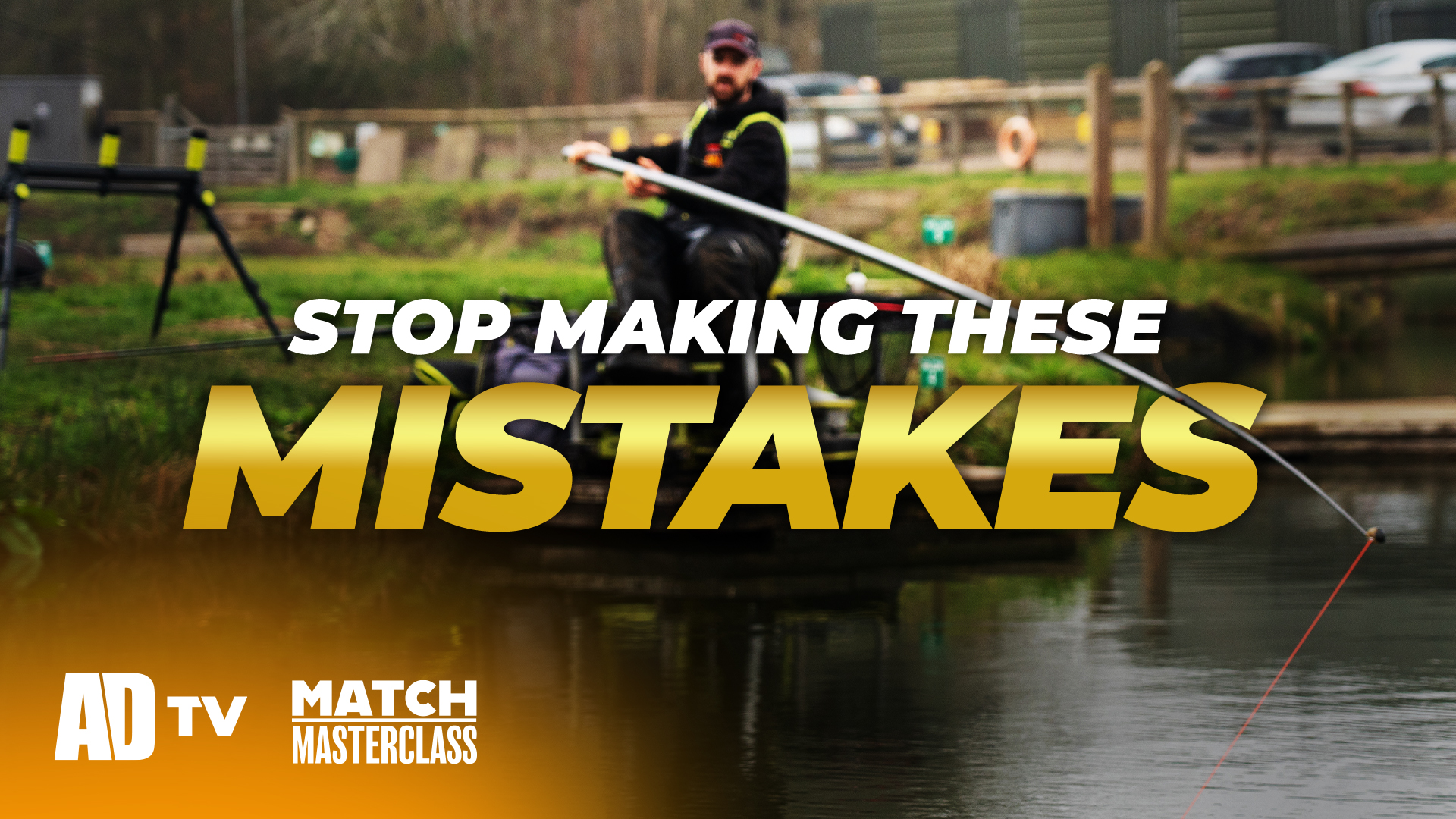
Fishing in spring can be incredibly frustrating and the truth is that most anglers are making the same mistakes. Feeding too much, fishing too deep, and sitting on dead lines where the fish have moved on. So today we are breaking down some of the biggest match fishing errors that could be costing you fish.
This time of year the conditions are constantly changing, the temperatures are finally starting to rise a little bit and the fish are becoming more active, but they don’t always behave the way you would expect them to. In this session at Meadow Farm, the focus is on stripping things back and avoiding the common mistakes that cost anglers fish. In spring, if you're fishing the right way, bites can come fairly quickly.
Pellets and Positive Fishing
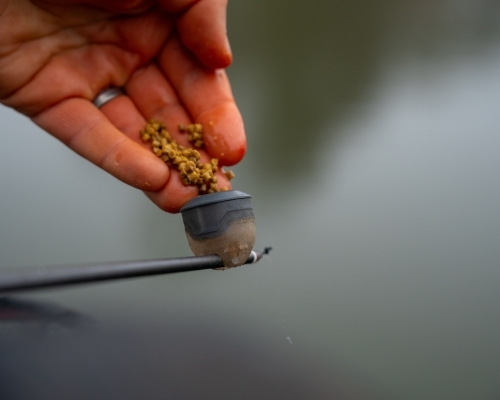
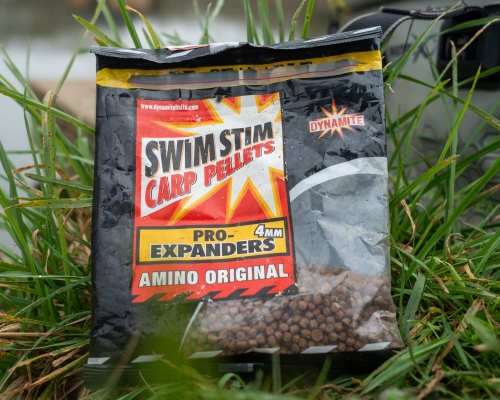
To kick things off I was feeding micro pellets with a pot, paired with an expander pellet on the hook. Early in the session, introducing bait with a bit of noise helps draw fish into the swim, so tapping pellets in from a height can be a nice trick. The rig itself was set up to fish positively, no lifting and dropping, just setting a trap over the feed and waiting for a response. In spring, if you’ve got the right bait and you’re in the right area, bites should come quickly, so this method is a great way to gauge what’s happening early on.
Finding the Right Depth
Depth is one of the biggest factors to get right at this time of year. Fish will move between deeper and shallower water depending on light levels and temperature, so it’s important to stay flexible. Starting slightly deeper makes sense in the cooler conditions, but having rigs set up for different depths means it is easy to adjust during the session. Even small changes can make a big difference, so it’s always worth experimenting to find the fish.
Fishing Multiple Lines
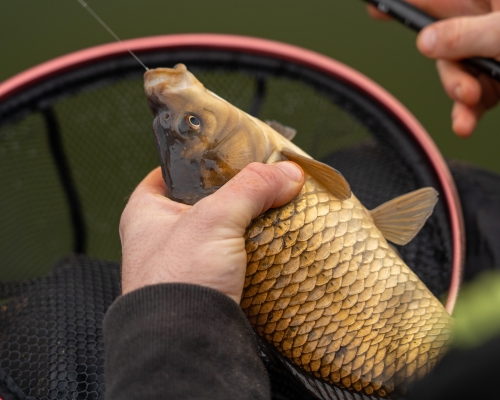
One of the most common mistakes anglers make is staying on a line for too long. It’s easy to catch a few fish early on and assume it will continue, but in spring, swims can fade quickly because the fish are very wary at this time of year. Instead of waiting it out, moving your line, even by just a metre or two, can make an instant difference. Rotating between a few areas and “bouncing” between lines keeps you ahead of the fish and helps maintain a steady run of bites.
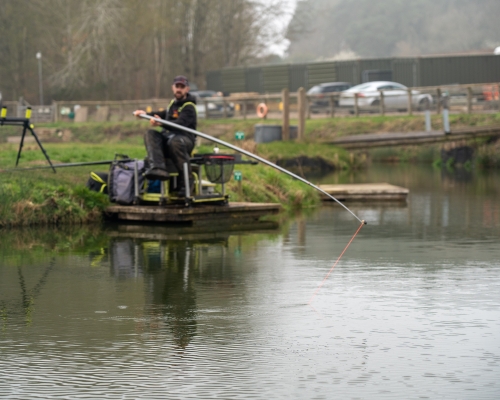
Spring Pole Fishing Rigs
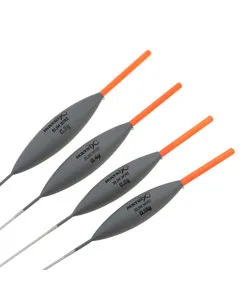
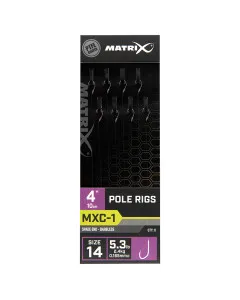
I keep all my rigs nice and simple, the float is a Matrix finesse slim wire in 0.2g to give stability and clean bite indication. This allows the bait to settle naturally over the feed without too much movement. A strung-out bulk shotting pattern helps the bait fall naturally through the water and two small backshot help keep the line tight and provide stability. Paired with a short hooklength and a size 16 hook, it’s a balanced setup that works well for both pellets and maggots. Switching to a carbon stem float when fishing short allows you to spot bites on the drop, making it easier to adjust when fish start feeding higher in the water.
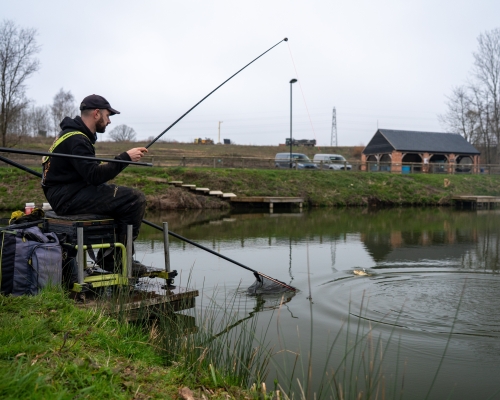
Best Baits for Spring Fishing
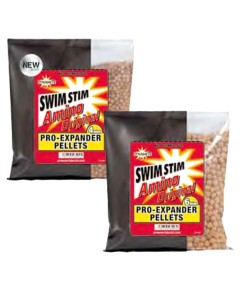
Bait-wise I use pellets and maggots but how they’re prepared makes a big difference. I use Dynamite F1 Sweet micro pellets and I soak them in a good amount of water. This makes them heavier, helping them sink quickly and accurately when fed, without breaking down or clouding the swim too much.
Expanders are kept in top condition by storing them in a light coating of oil, preventing them from going soft or mushy throughout the day. Citrus oil and Tiger nut both work really well for this. As an added bonus, a bit of added flavour or colour, such as F1 sweet, can help give the hookbait an edge. For the short line later in the session, maggots come into play. These are prepared with a fine coating of Shake and Catch, which keeps them dry, boosts their colour and attraction.
Short Lines and Fishing Through the Water
In spring matches I often switch to maggots towards the end of a session, but the timing is really important to get right. Going on it too early on the short line is a mistake that can ruin your chances. By feeding it for a while and allowing fish to build confidence, you can often get a strong run towards the end of the match. This is often where big weights are made early in the year.
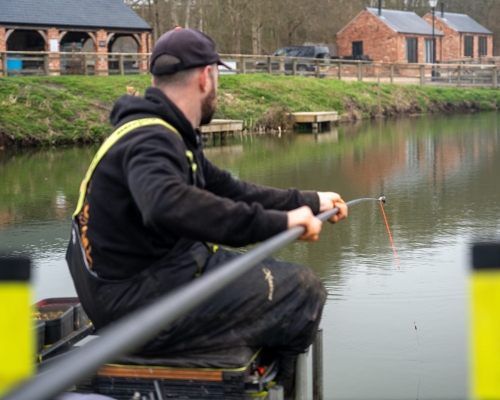
It's also very useful for match anglers to understand what’s happening to your bait as it is falling through the water. Using a float that shows indications on the drop allows you to see if fish are intercepting your bait before it reaches the bottom. If they are, adjusting your depth or switching rigs can help you pick up extra bites. Staying aware of these signs and adapting quickly can make a big difference over the course of a spring match.
Stay Active, Catch More Fish!
Spring fishing is all about being proactive. Whether it’s changing depth, adjusting feed, switching hookbaits, or moving lines, small changes can have a big impact. If you keep trying to figure things out, keep adapting, and avoid sitting on fading lines, you’ll put yourself in a much stronger position to turn a difficult session into a successful one and it can be brilliantly rewarding at this time of year.
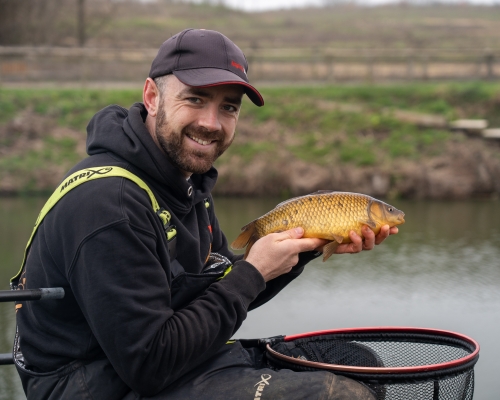
Check out the Video below and we’ll catch you for the next episode of Match Masterclass Tight Lines!
Check out video below...
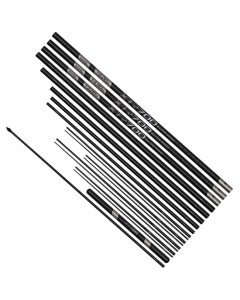
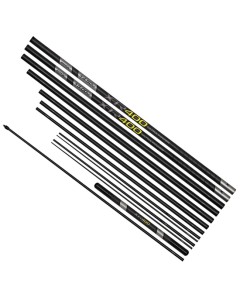
Products Used In This Video...
Chod Rig Essentials
Sticky Baits
-

 £5.69
£5.69 Save up to £0.70
 -
 £6.99
Save up to £0.70
£6.99
Save up to £0.70