Search
ADTV Amanda's Angling - Fishing Small Streams & Rivers
It’s just you and your rod. You’re fully focused on that float, thinking about nothing else but catching. Surrounded by flowing water and fully immersed in nature, that’s what I think most of us love about trotting a float down a river. It’s true escapism. And that’s why, every winter, I love to come out and do a bit of trotting. It’s such a great way to get out of the house, get a few bites when you’ve only got a small amount of time, and catch a few different species.
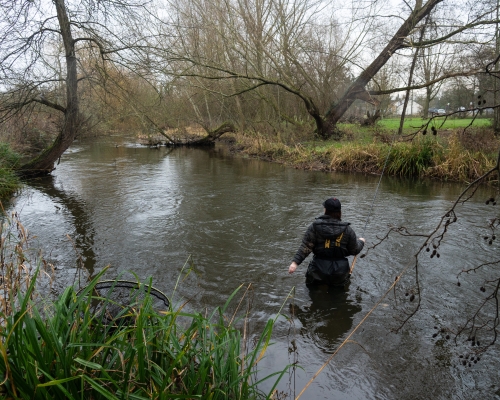
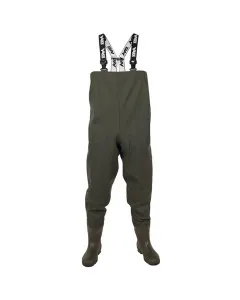
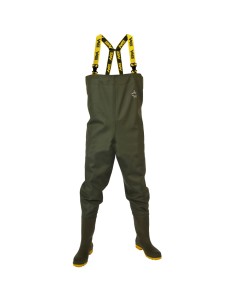
I was especially excited for this session because the weather and river conditions on the Wensum were literally perfect. I knew I had a decent chance of a few bites. There’s just something so addictive about watching a float go under and connecting with a fish. It’s very difficult to explain in words, but for those who know, you know exactly what I mean. It was also really nice to be in the river wearing waders. Wading isn’t something I do a lot, but with Widget behind the camera and knowing he’s fished this river plenty of times before, I felt very safe. If you do decide to give this style of fishing a go yourself, just make sure you take care.
Lots of Fish in the First Swim
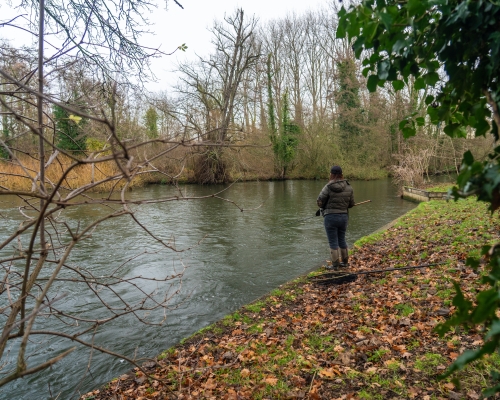
Very early in the session, I found a swim that was packed with young chub and some fairly large dace. Fishing my local River Wensum can be challenging at times, and sessions like this don’t come around very often, especially in the winter. When they do, you really have to make the most of them.
There was a particular spot a few meters downstream that seemed to produce a bite almost every time the float drifted past it. I stayed in that swim for a good hour, catching plenty of fish, before eventually feeling like we’d got the best out of it and it was time to move on.
Walking Upstream
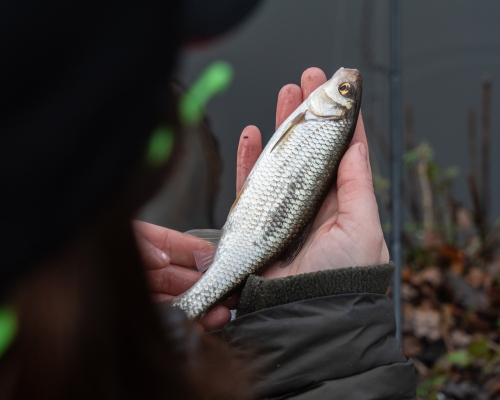
The next few swims didn’t show many signs of life. I didn’t spend too long in them, just a few minutes in each, trying to locate any fish. Eventually, after walking a bit further upstream, the float suddenly disappeared and I was connected to a fish that instantly felt better.
There were lots of head shakes and I knew straight away it wasn’t a chub. It turned out to be a really nice Wensum roach, the first one of the day. Continuing in this swim, I discovered a small pocket of roach, which was lovely to see, especially as they aren’t as prolific as they once were on this stretch.
The History of the River Wensum
The River Wensum was once famous for its big roach. During the 1970s and 80s, catches of double-figure bags of roach weighing between 2lb and 3lb were relatively common. I’ve also heard plenty of stories about big barbel, including the one caught by our very own Phil Spinks, weighing 17lb 12oz back in 2008. The Wensum even held the British record for barbel at one point, with a fish of 19lb 10oz caught in 2009.
The fishing nowadays isn’t as great as it once was, but there are definitely still some large roach to be caught. You just have to put in a bit more time and effort to find them.
The Wensum Riverkin is a local group dedicated to restoring the river back to its former glory, and they’re well worth a follow on social media. It would be great to support them in helping make the Wensum healthy again.
Back to the First Swim
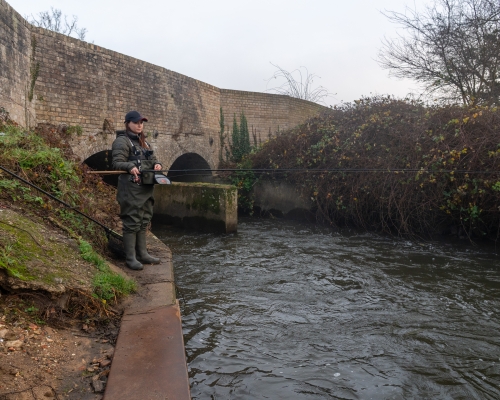
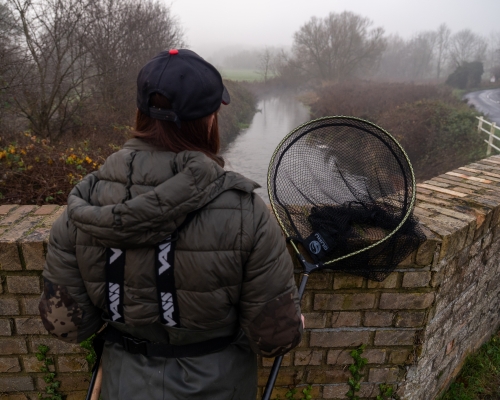
After finding those roach a few swims upstream, things started to slow down again and we decided to move once more. We stopped briefly by a bridge where I confidently bet Widget that we’d catch loads. That bet was swiftly lost, and we decided to head back to where we’d started, as it felt like our best chance of catching one or two more fish before heading home.
That turned out to be the right decision. Only a few minutes after returning to the original swim, I hooked into the best fish of the trip. It was a stunning chub of around 2-3lb and great fun on the float setup.
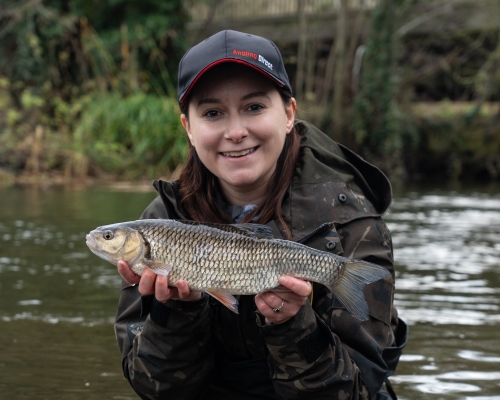
It was the perfect way to end day one, and actually one of the largest fish I’ve ever caught while trotting, I usually only catch smaller ones using this method.
The Start of Day Two
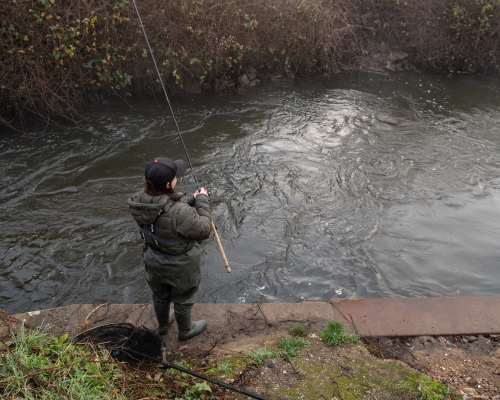
Day two greeted us with a beautiful, misty morning. It was much colder than the day before and this time we decided to try a small stream. I’d never fished it before and had no idea what was in there, but with only a few hours available, I took a relaxed approach and just let the day unfold.
I was fishing maggots on the hook and as loose feed, throwing in just five or six maggots every cast or every other cast. It’s important not to feed too much, as the fish can end up drifting further downstream chasing the bait. Feeding little and often helps build their confidence and keeps them actively feeding in winter, which usually leads to more bites.
The Weir Pool Surprise
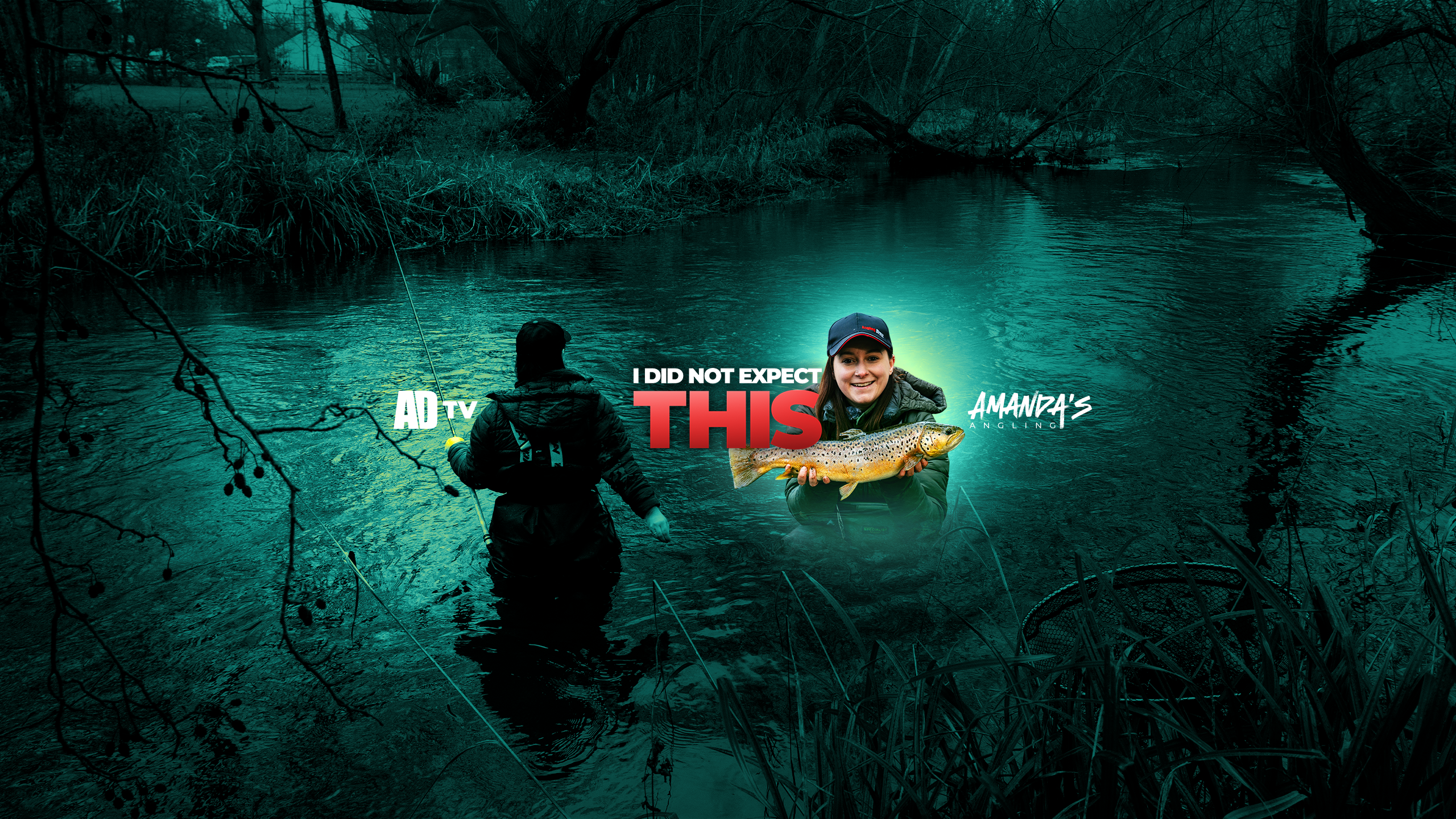
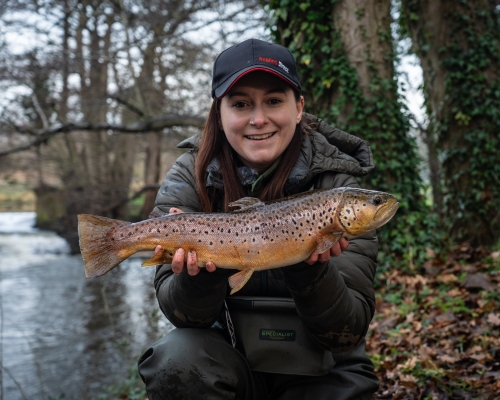
After catching a few small roach and dace in our first spot on day two, we moved again, this time to a weir pool we’d spotted from the road earlier. Using the same approach of feeding little and often, I managed to hook a huge brown trout.
I wasn’t expecting a trout at all, and this one put up an incredible fight in the fast flow on light tackle. We didn’t weigh the fish, as it’s really important to return trout as quickly as possible, but it was without doubt a personal best for me and a moment that absolutely made the session.
My Trotting Setup
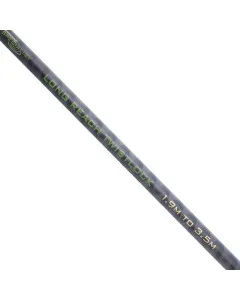
For this session, I used a Sonik CMX dedicated stick float rod in the 13ft version. They also do 14ft and 15ft models, which are ideal for larger rivers. I paired it with a small, lightweight fixed spool reel, which makes a big difference when you’re holding the rod all day.
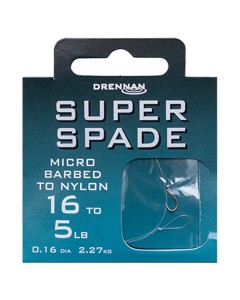
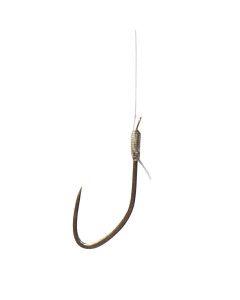
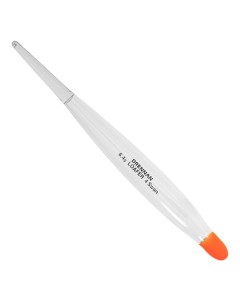
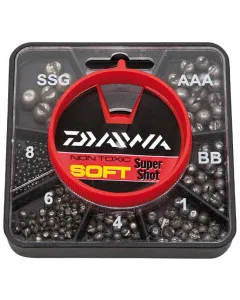
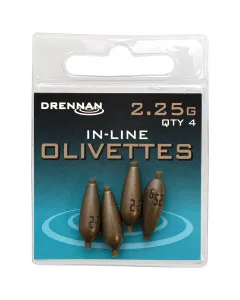
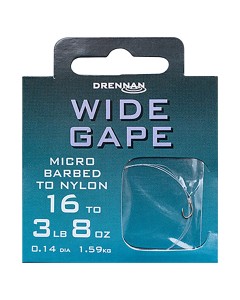
The rig itself is very simple. I use a Drennan loafer float attached with rubbers so I can adjust the depth easily. For the bulk of my shot, I use an olivette. With a 3g float, I fish a 2.5g olivette above a micro swivel, which connects to a hook-to-nylon leader. I then pinch on a couple of number six shots to sink the maggots to the desired depth.
Final Thoughts
After walking you through my trotting setup, we tried a few more spots, including an old mill pool, but unfortunately there was no more action. Winter days are short, so it was great to get a proper fishing fix in just a few hours.
Next winter, I’d love to go further afield and search for some bigger and better fishing. Until then, I’ll be more than happy continuing to trot my local rivers, and I hope this session has inspired you to do the same.
If you enjoyed the video, don’t forget to subscribe to the Angling Direct TV channel and join us for the next episode of Amandas Angling. Tight Lines!
Check out video below...
Products Used In This Video...


Chod Rig Essentials
Sticky Baits
-
 £2.59 - £2.99
 -
 £9.99
£9.99 -
 £10.00
 £9.29
£9.29 -
 £3.39 - £3.59
 -
 £3.19 - £3.29