
Search
Deep Water MARGIN FISHING Explained - Match Masterclass

It's undeniable that margin fishing is a huge part of modern match fishing. Catching big carp close in can often be the difference between winning and losing in a match fishing situation. But what happens when the margins aren’t shallow, and instead you’re faced with four or five feet of water? Many anglers would write those swims off and try to fish open water, but with a few simple tricks, you can still fish them really effectively. In this match masterclass we're going to cover everything you need to know about deep water margin fishing.
The Ideal Margin Swim
In a perfect world, the best depth for margin fishing would be around 18 inches to two feet. That’s when groundbait and worms really come into their own as a bait combination and if you can find that sort of depth, it’s hard to beat those tactics. But when the margins are much deeper, groundbait just doesn’t work the same way it takes too long to settle and it often drifts away from where you want it.

Plumbing Up in Deeper Water
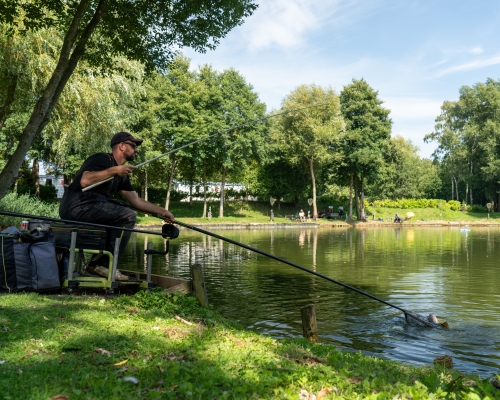
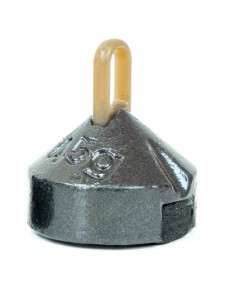
In this session, my margin was just over four feet deep. Too deep for groundbait and worm to be the best choice. The first job when faced with a deep margin is to plumb up properly. You want to find a clear, flat spot to fish on. When I am plumbing I make sure to use a heavy plummet so that it holds on any sloped sections of the lakebed, that way I can be confident that my depth is accurate.
Choosing the right baits
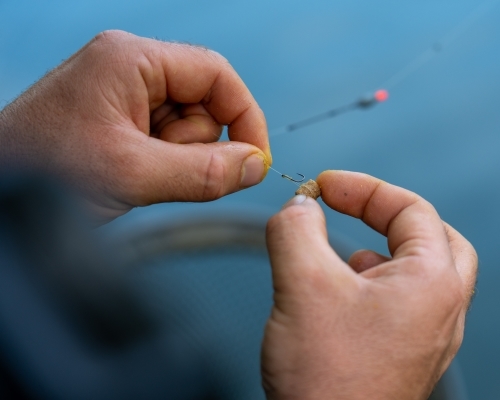
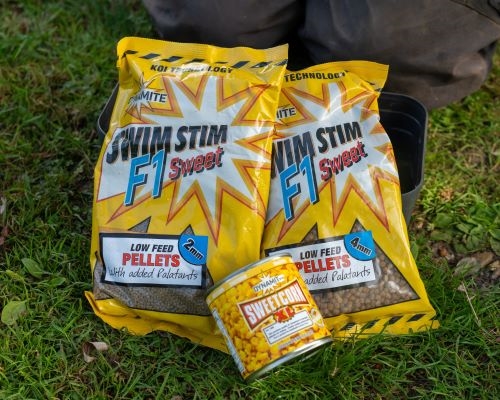
Lighter baits like groundbait or micros can waft around too much in deep water so larger, heavier baits are often more effective. On my side tray I had micros, 4mm pellets, and sweetcorn. To make the pellets more usable, I over-soak them so they become heavy and sink straight down. Sweetcorn is also brilliant in this situation the bright colour in combination with the flavour of the F1 sweet pellets is a great way to attract fish.
I started by feeding plenty of micros to get the fish interested, but the plan was to gradually switch them onto larger baits like corn and 4mm pellets. This way you get fewer missed bites and more positive takes. If bites slow down, that’s when I’ll top up with a few more micros to spark things back into life.
The Deep Margin Rig
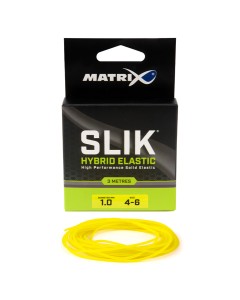
Fishing in this much water calls for a strong, positive setup. I used green slick elastic because it is soft on the strike but with the power to handle big carp.
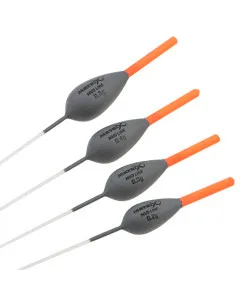
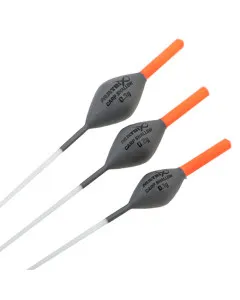
The float was a 0.4g Matrix Power Margin, which has a thick, buoyant bristle that sits well in deeper water. I’ve also been experimenting with using a sliding olivette instead of a string of shot. It’s neater and doesn’t weaken the line, although it doesn’t give you as much control over the rate of fall of the bait.
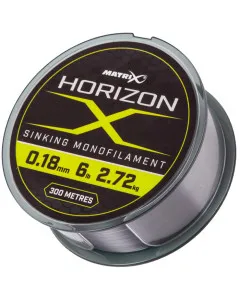
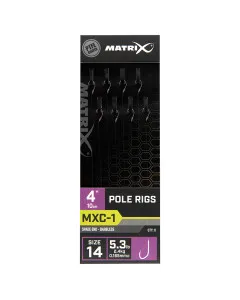
I use 0.18mm mainline for on this rig, with a short 4-inch hooklength of the same material and a size 12 hook. Simple, strong and reliable. Fishing this way, I managed a steady run of carp, including a very lively F1 and a few nice commons to about 4lbs.
Fishing Shallow in Deep Margins
One of the upsides of deep water in the edge is that, as you keep feeding bait, the fish can start to move up in the water. They often feed with greater confidence in the margins, so shallow fishing can be a great option.
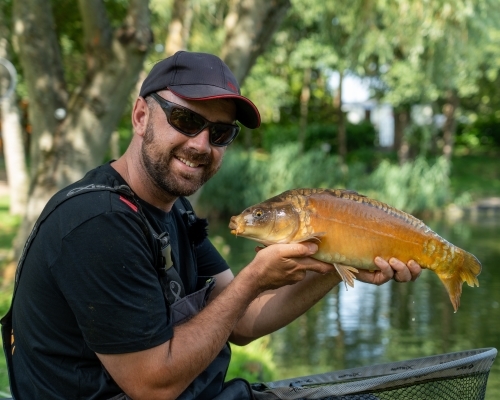
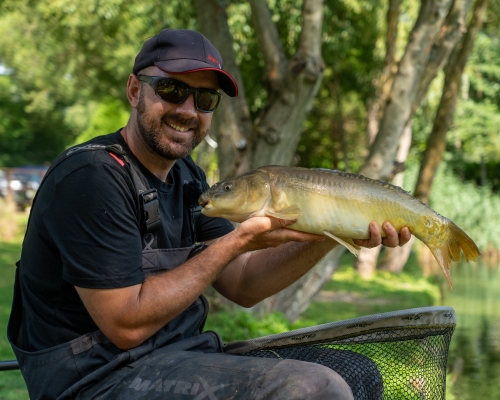
For this, I fed small handfuls of pellets regularly and then slapped the rig in to mimic the sound of the loose feed. The response was instant. Within seconds I had a 5lb carp, the biggest fish of the session at that point.
Fishing shallow produced a better stamp of fish too, with most of them between 4 and 8lbs. At Reepham, a mugging/slapping rig was perfect, while on venues with lots of smaller F1s you might go for a jigger or an overshotted rig.
The Shallow Margin Setup
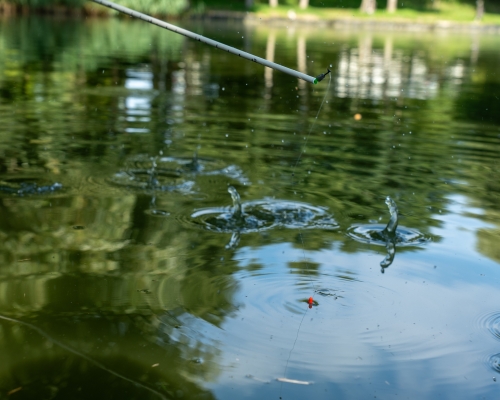
For the shallow approach, my rig is relatively similar, green slick elastic, 0.18mm mainline, and a short hooklength with a size 12 hook. The only difference was the float: a 0.2g Matrix dibber with three No.8 shot just above the hooklength to imitate that all-important plop noise of pellets going in asit hits the water.
This change of approach produced some cracking fish, and right at the end of the session I hooked into a stunning carp that capped the day off perfectly.
Final Thoughts
The main lesson here is that deep margins aren’t something to avoid. With the right rig, the right baiting approach, and a bit of patience, they can be just as productive as shallow ones and sometimes even better. Whether you’re fishing on the bottomor switching to shallow tactics, those deep margins can always produce match-winning fish so dont shy away from them.
Check out the Video below and we’ll catch you for the next episode of Match Msterclass. Tight Lines!
Check out video below...
Products Used In This Video...
-
-
 £7.99
£7.99
Chod Rig Essentials
-
 £2.35 - £2.99
 -
 £2.35 - £2.99
 -
 £7.99
£7.99 Save up to £0.70
 -
 £1.69
£1.69
Sticky Baits
-

 £5.69
Save up to £0.70
£5.69
Save up to £0.70 -
 £2.99 - £5.99
 -
 £2.99
£2.69
£2.99
£2.69