Search
Match Masterclass - Method Madness
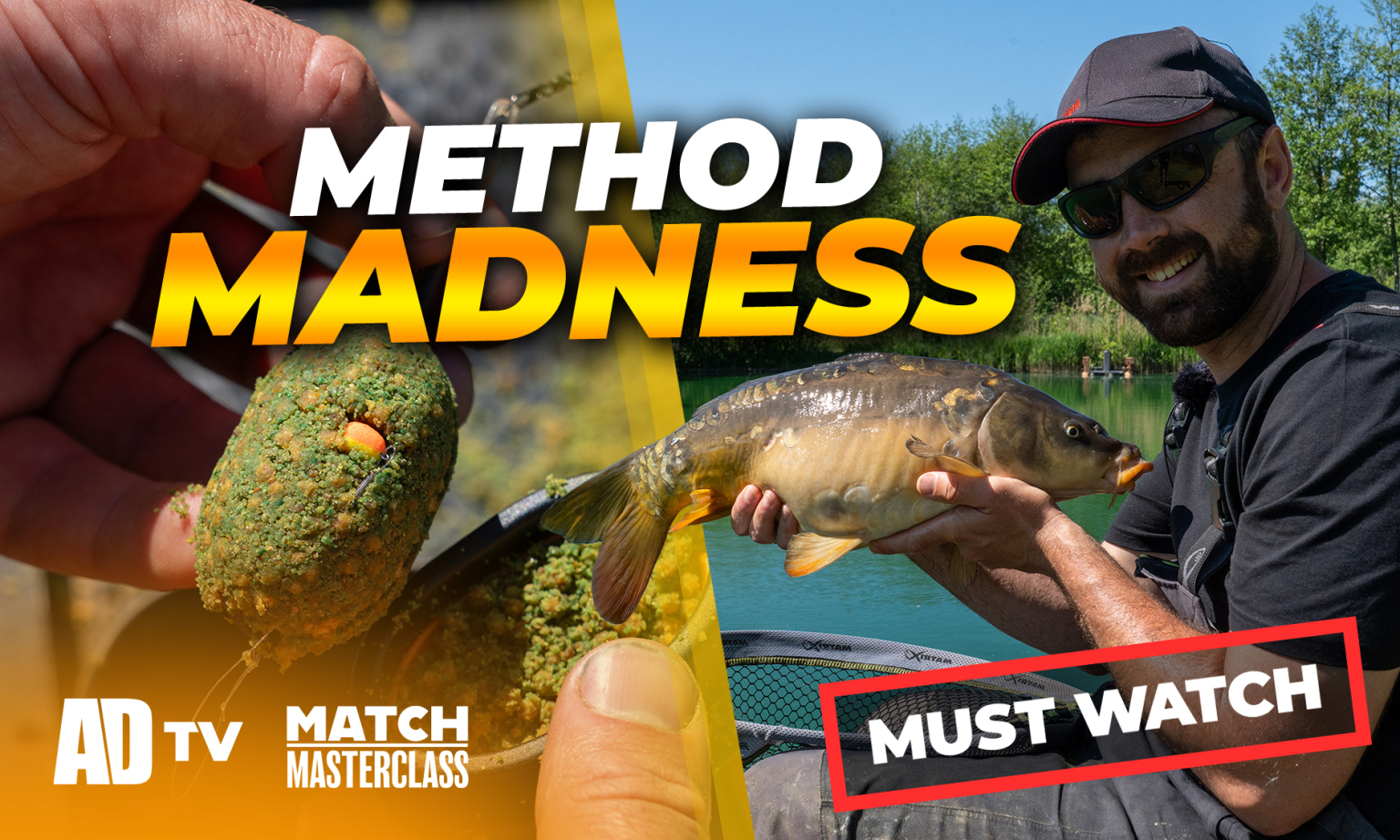
Everybody knows how effective the method feeder can be, but in this video, I want to show you how to turn a great session into absolute carnage. It’s the smallest things that make the biggest difference, and that’s exactly what we’re going to cover today in detail. Method feeder fishing is hugely popular because it catches loads of fish. But for me, there are definitely two distinct styles.
The first style suits places like Boddingtons or Baston, where you’re casting big feeders out to long distances into open water, then waiting patiently for 15-20 minutes, sometimes up to 45 minutes in the winter. You’re essentially setting a trap and waiting for that one big fish to turn up. The second style is all about making it absolute carnage. Really fast, high-action fishing where you’re practically getting bites before you put the rod on the rest. That’s the style I want to cover today. This approach works perfectly at venues like the one we’re fishing.
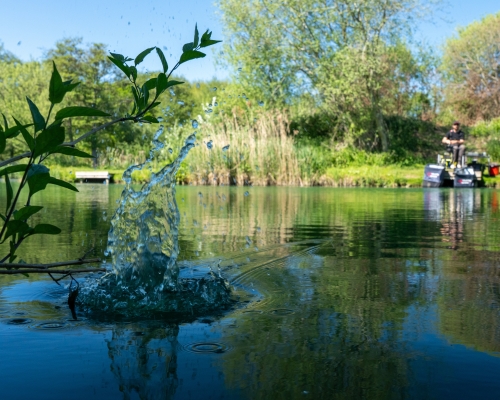
I’ve never actually been to this venue before, it’s Toad Hall Fishery, recently taken over by a new owner. There’s a lot of fish in here, and I’ve found a great spot with a far bank to cast to, about 20 meters away.
Feeder Fishing Tackle
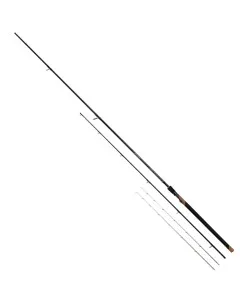
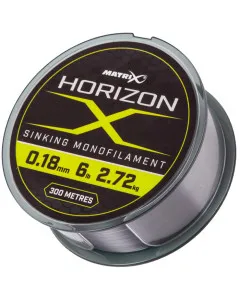
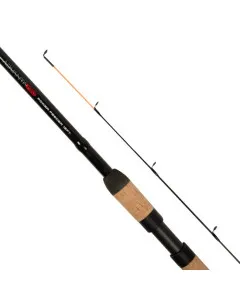
To get the most out of this style, you need a fairly specific tackle setup: first off, a very light feeder rod and, importantly, a very light quivertip. I’m using the Ethos XR-F Medium Feeder in 11ft, fitted with a 1.0oz carbon quivertip. Honestly, if I could’ve found a 0.5oz quivertip that fit, I would have used that. The lighter the quivertip, the better. On the reel, I’ve spooled 6lb mainline onto a Matrix Aquos Ultra, 4000 size, a nice lightweight setup that keeps everything balanced.
When it comes to feeders, I’m using an elasticated feeder today because they improve my hook-to-land ratio. For longer distances, I fish with alloy or hybrid feeders 90% of the time since they cast better and they create a neater bait pile, perfect for the slower, trap-setting style on the bigger venues.
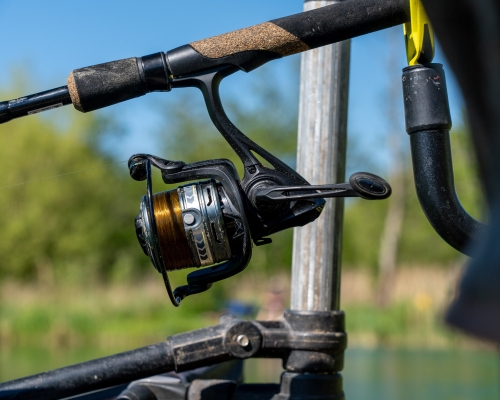
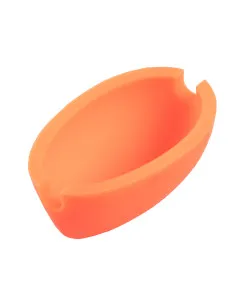
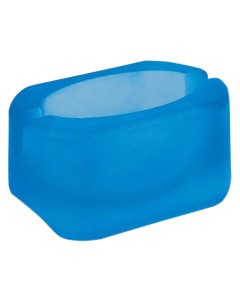
But today, we want carnage, so I’m switching to a flatbed method feeder. These let you pack on more bait, it breaks up almost instantly when it hits the water, and you can double layer it to get huge amounts of bait into the swim as fast and accurately as possible.
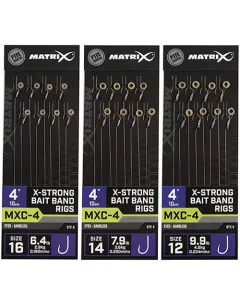
For the business end, I’m keeping it simple, with Matrix ready-tied hook links. The MXC-4 inch variant is perfect. They’re more than strong enough for this fishing style and super convenient, just pick them off the shelf and you're good to go.
Importance of the Quivertip
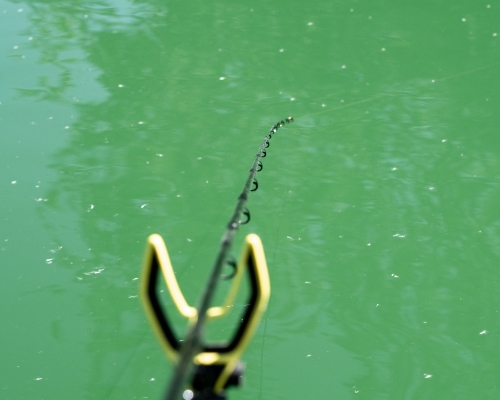
Casting to the far bank, which is only about 20 meters away, I clip up to the spot and once I have cast out I put the rod straight down without putting any bend in the quivertip. This is crucial because I get so many fish in the swim, with the rod tip shaking from tiny knocks and liners almost immediately. If I fished with a tight line and a big bend in the quivertip, the feeder would be dragged off the spot, and the bait wouldn’t present properly around the pile. So, keeping the quivertip straight means the bait stays exactly where you want it and the fish find it more easily. You will know when they are on
The First Fish
After just about two minutes, the rod pulled round hard and the line soared off towards the left-hand margin. The fish charged so fast it almost pulled me right down to the clip!
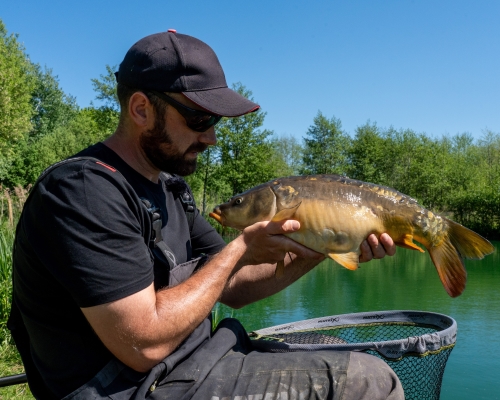
Some anglers ask if fishing clipped up causes issues, but with the heavy hooklink, the surprisingly large stretch in 20 meters of line, and the fact I’m fishing tight to the opposite bank, it’s very rare that I have problems. If a fish does risk breaking me off, I just quickly unclip the line and clip back up for the next cast. After a good scrap, the first fish was a beautiful pale mirror carp of around 3 or 4 pounds. What a perfect way to start the session!
How Often Should You Cast?
At the start, I was aiming for about five minutes between casts. The goal is to reduce this to three minutes, or even as low as two minutes or less, as you build the swim and encourage fish to compete for the bait going in. On my next cast, it took only one minute and twenty seconds to get a bite. This time, I caught a pristine shiny skimmer of around 2 pounds. Using a stopwatch to time my bite times keeps me in a bit of a rhythm, and I make sure to recast regularly to maintain the bait going in. On a venue like this, if you haven't had a bite within the usual bite time there's a good chance the feeder has landed funny or for whatever reason your bait isn't presented correctly. Trust me when I say it pays to use a stopwatch and be disciplined with your casts.
What Bait Works Best?
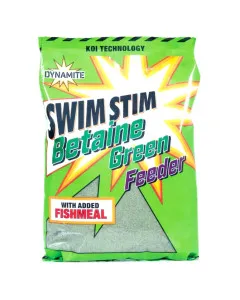
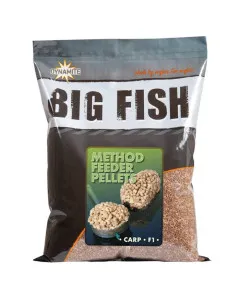
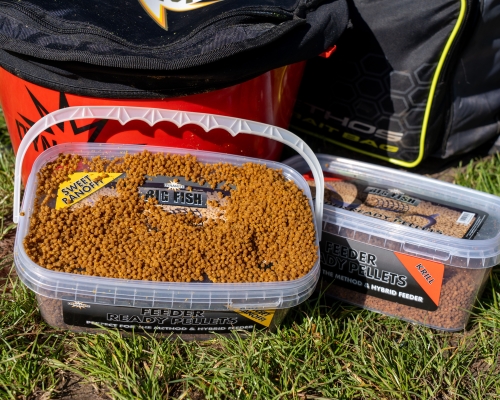
Normally, I’m an out-and-out pellet angler for method feeder fishing, but in shallow water like this with lots of fish, I like to mix in some groundbait. Here, I’m using Dynamite Swim Stim Green. I think the smaller particles help draw in more fish than pellets alone. For pellets, I’m using Dynamite feeder-ready pellets in sweet banoffee flavour, perfect because they need no preparation, you can use them straight from the box. I mix in a few handfuls of groundbait at a time, only mixing a couple of kilos at once so it’s always fresh.
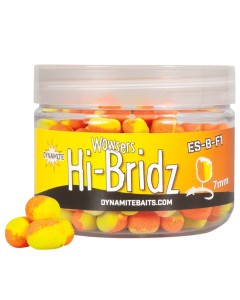
On the hook, I’m using Dynamite wafters on a bait spike. For this style, I believe smaller hookbaits work best, anything under 5mm. Small pellets, a couple of dead red maggots, or these wafters all work brilliantly on the hook.
A Special Catch
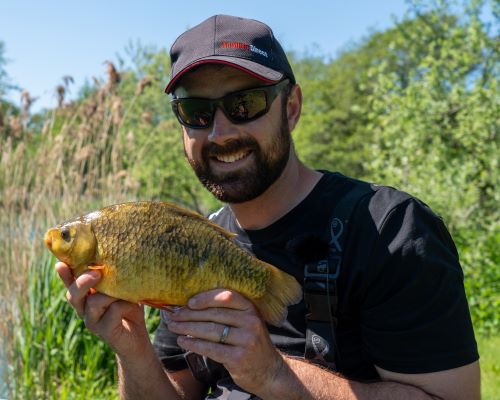
As the session went on, I kept repeating the tactics, maintaining discipline by casting on the bite times and keeping the pressure on the swim. My original plan was to try for a larger fish to finish the session on but right near the end, after chatting to the lake's new owner who mentioned the presence of true crucian carp in the lake, I was lucky enough to catch a beautiful crucian of around 2 pounds a very special fish indeed and increasingly rare these days, the perfect one to end on.
If you enjoyed the video please leave a like and subscribe. I look forward to seeing you on the next one. Tight lines!
Check out video below...
Products Used In This Video...
-
-
 £7.99
£7.99 Save up to £0.70
 -
-
 £10.99 - £12.99
 -
 £42.99