Search
Beginners Guide – How To Catch Bream
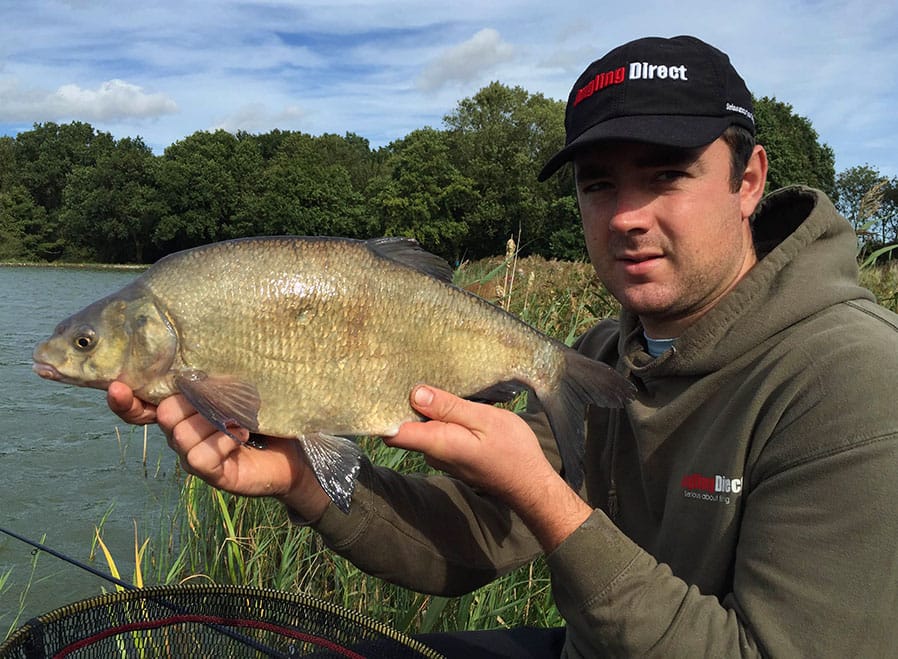
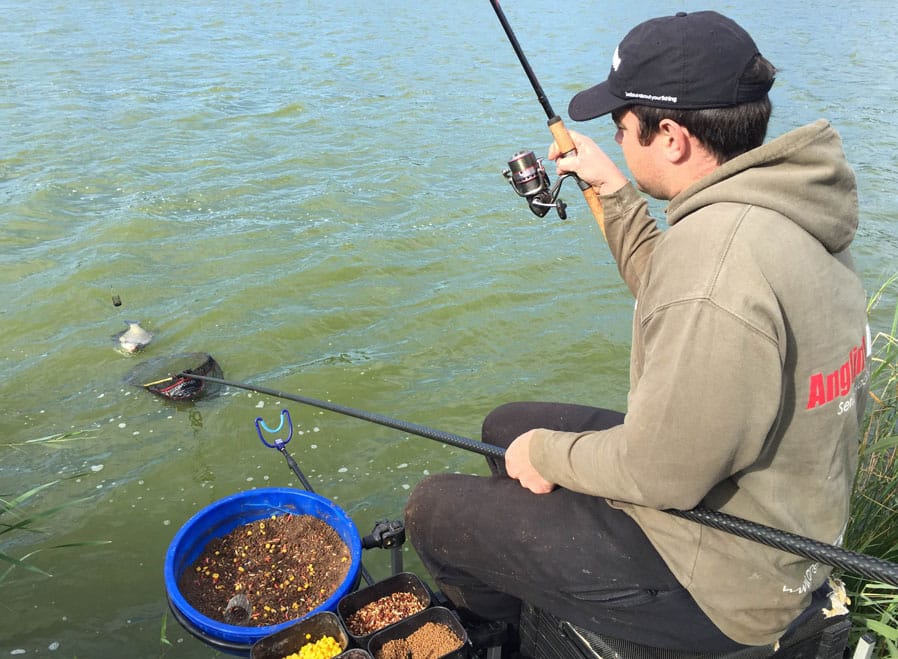
Now the bream, a deep bodied shoal fish, isn’t everyone’s favourite, but feeling the heavy thump of a big slab on the other end has to be one of the most satisfying feelings in fishing.
At this time of year all species will now be preparing for winter, feeding up and piling on the weight ready for the colder months ahead and the bream is no exception. It needs very few excuses to feed and a shoal of hungry bream can provide a fantastic day’s sport.
In general they are a fairly easy fish to target and catch. They certainly aren’t fussy when it comes to bait and they can be caught on all manner of different methods, the key thing is finding a suitable water with a good head of fish.
Do your research, even though they can often be found in nearly all lakes, reservoirs and rivers, certain venues will hold more than others and if you want to enjoy one of those red letter days then these are the venues you should look at.
For this feature we chose Blicking Lake in Norfolk. Set in the grounds of Blicking Hall and owned by the National Trust, it has always been synonymous with bream. 20 acres in size, with around 6ft-8ft of water at the dam wall end and 2-5ft at the hall end, it’s the perfect habitat.
So, once you’ve picked your water, what’s the best way to target them?

Time It’s no secret that nearly all coarse fish prefer and are more willing to feed at dusk and dawn, especially on bright sunny days. Try to base your sessions around this. It can often be the case that you’ll fish all day for nothing and then just as you’re thinking about packing up, as the sun slowly starts to disappear behind the horizon, the fish will all of a sudden come on the feed. Personally I don’t think you can beat an early morning session, the heavy dew on the ground, the mist rising from the water and the bream rolling on your spot!
Saying all of the above, if you can get a mild, overcast day with a warm wind you’ll often find they’ll happily feed all day.
 Tackle
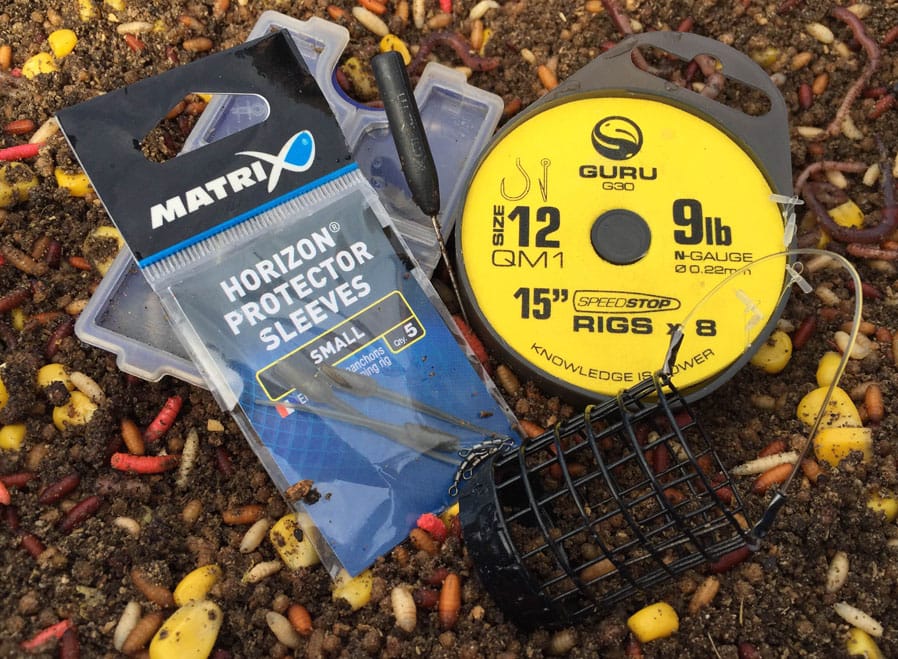
As mentioned, they can be caught on all manner of different tactics but without doubt feeder fishing for them is best. A standard feeder fishing rod, around 12ft in length, with a softish quiver tip will be more than ample. Match this with a 4000 sized reel, loaded with around 6lb mono, and you’ll have a perfect bream fishing set-up. More specialised tools are available, for example, if you really needed to fish for them at range you’d perhaps look at a slightly more powerful rod and even a braided mainline on your reel, but that’s probably a blog for another day.
Tackle
As mentioned, they can be caught on all manner of different tactics but without doubt feeder fishing for them is best. A standard feeder fishing rod, around 12ft in length, with a softish quiver tip will be more than ample. Match this with a 4000 sized reel, loaded with around 6lb mono, and you’ll have a perfect bream fishing set-up. More specialised tools are available, for example, if you really needed to fish for them at range you’d perhaps look at a slightly more powerful rod and even a braided mainline on your reel, but that’s probably a blog for another day.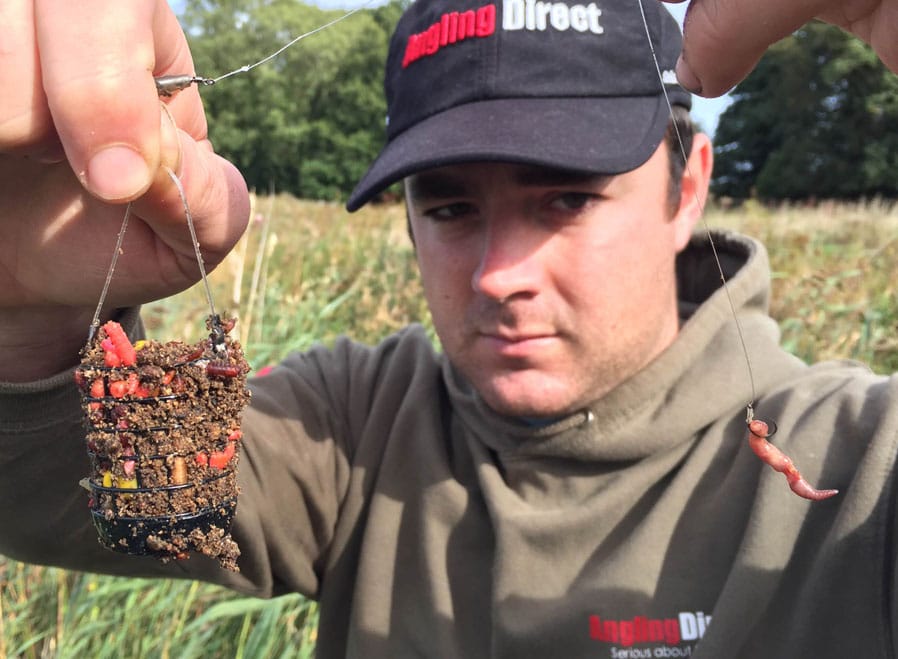 Rigs
Rig wise, it’s probably best to keep things nice and simple, and a simple running feeder rig will be absolutely fine. Personally I like to use a standard open ended feeder, choosing a caged model if the water is shallow (4-5ft) and a solid bodied model if the water is deeper (6ft+). In the deeper water, the solid bodied feeder just helps keep the bait in the feeder, especially as it’s falling through the water column for longer.
Rigs
Rig wise, it’s probably best to keep things nice and simple, and a simple running feeder rig will be absolutely fine. Personally I like to use a standard open ended feeder, choosing a caged model if the water is shallow (4-5ft) and a solid bodied model if the water is deeper (6ft+). In the deeper water, the solid bodied feeder just helps keep the bait in the feeder, especially as it’s falling through the water column for longer.I like to use a 2ft hooklength tied from around 4lb mono and a hook size of between 12 and 18, depending on what hook bait I’m using on the day and how delicate the bites are. Sometime it is maybe that you have to scratch round with a single maggot on a size 18 and other days they’ll be ripping the rod off the rest for double corn on a size 12.
 Bait
Obviously the tackle and rigs you are using are important but probably the most important thing is bait, especially if you want to enjoy a bumper day’s fishing! A shoal of bream are probably best compared to an underwater herd of cows, slowly drifting from spot to spot grazing on anything that looks remotely tasty!
Bait
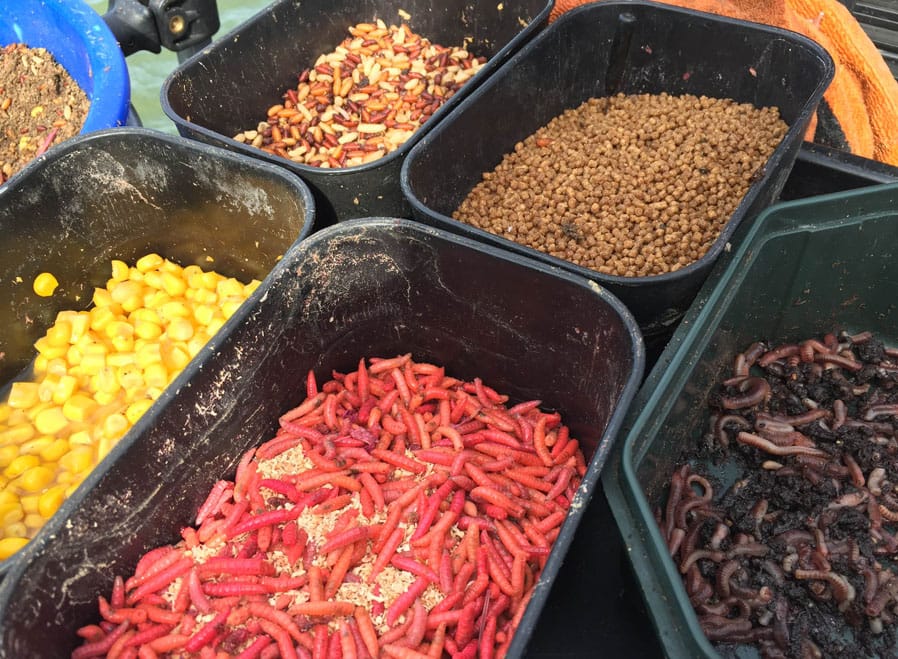
Obviously the tackle and rigs you are using are important but probably the most important thing is bait, especially if you want to enjoy a bumper day’s fishing! A shoal of bream are probably best compared to an underwater herd of cows, slowly drifting from spot to spot grazing on anything that looks remotely tasty!A groundbait laced with worms, casters, maggots, pellets and corn is perfect! I like to take a wide selection of bait as it keeps the fish interested and keeps them rooting around the bottom. By using feed particles of different sizes it also means they won’t become pre-occupied on one particular bait, which can sometimes be the case if you’re just using one thing.
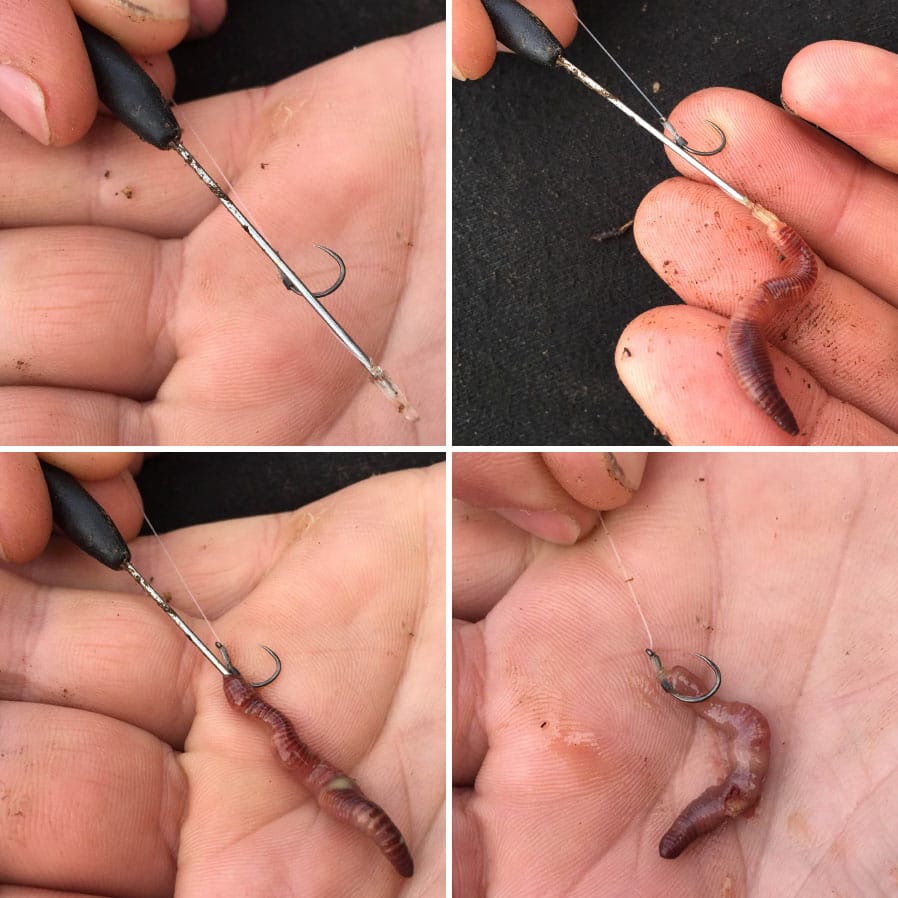
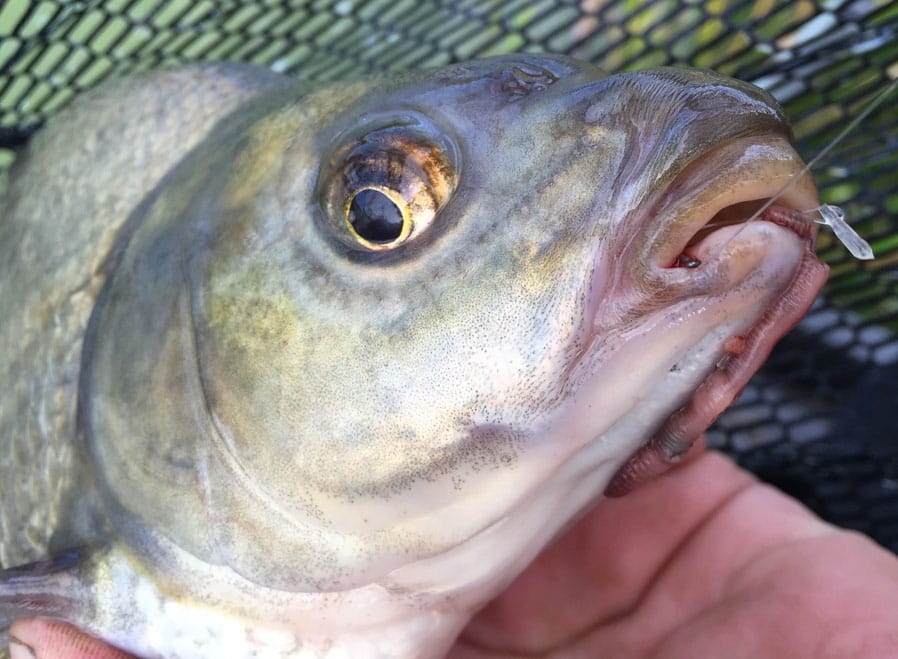 Hook bait wise, any of the above (with the exception of the ground bait of course!) will catch. A dendrobaena worm is probably one of my favourites, though, and recently I’ve been experimenting using them in conjunction with a quick-stop. By doing this, it eliminates the danger of the worm masking the hook point and offers a nice, neat, effective presentation. A top tip, too, is to just nip the tail off before you cast it out, as this will send extra scent into the water and perhaps allow the bream to find it quicker.
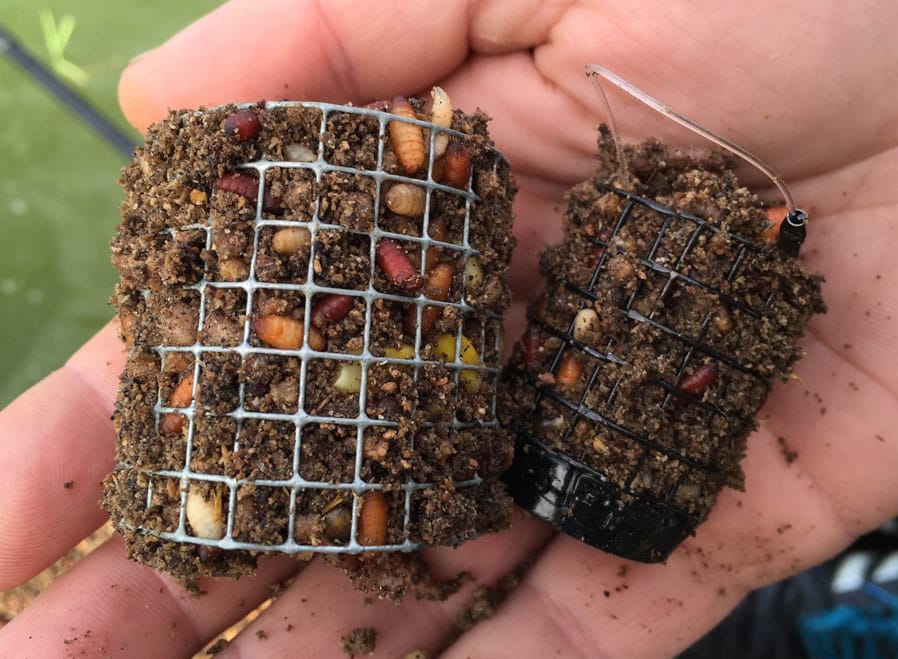
A key point is always ensure you take enough and feed enough bait. If you have a hungry shoal of bream in front of you, you need to keep them there, so cast regularly and keep the feed going in. One feeder full really isn’t a lot, it’s probably only two mouth-fulls for a fish of say 5-6lb and you could have 20-30 or even more fish of that size and smaller in your swim at once!
The first thing I’ll do once I’m set up is to get some bait in the swim, so I’ll introduce 10-20 large feederfuls very quickly without a baited rig attached (you could even spod/spomb some out). This then gives you a nice bed of bait to start with.
If you’ve been catching well and then suddenly it all goes quite it is maybe that the fish have eaten all the bait in the area and have moved off somewhere else. If this happens, it can often be worth repeating the above to try and draw them back in.
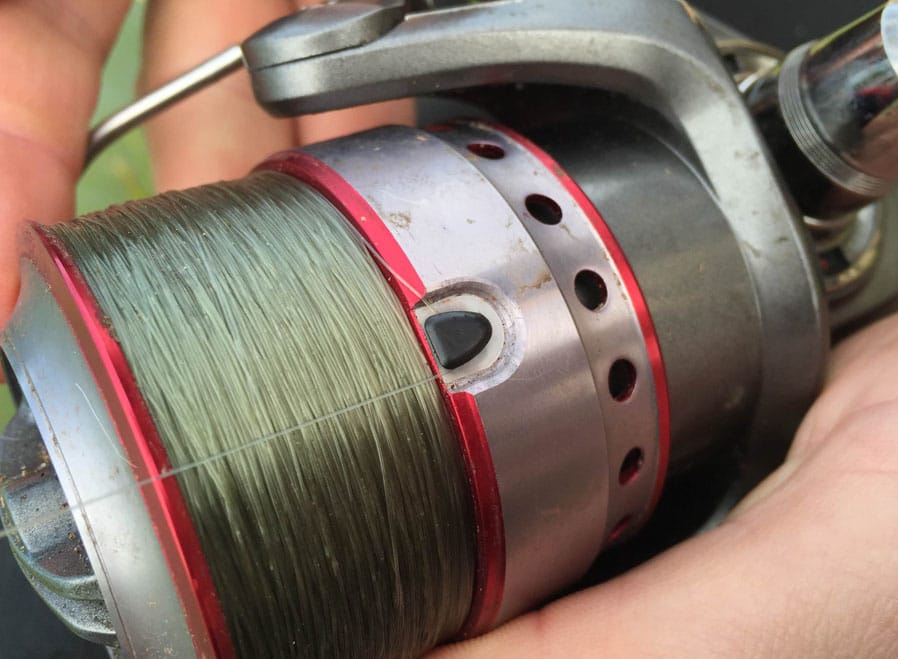
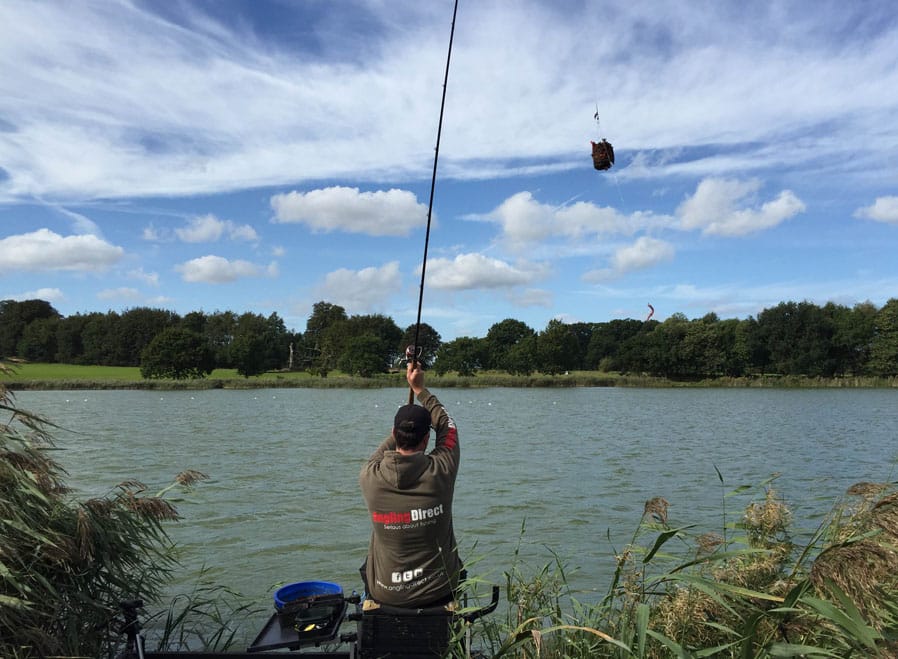
Accuracy Another key point is accuracy; it’s essential that you keep all your feed in a concentrated area. Pick a marker on the far bank and use the line clip on your reel to ensure you are casting to the same spot every time. It’s no good having all the bait but then spreading it over an area the size of an Olympic swimming pool! You need to hone the fish into an area and get them competing for the food.
Bite Detection Bream aren’t known for their amazing fighting qualities or for their electric speed when powering away with your bait, so when looking for bites you’re traditionally looking for a slow and steady pull round - there’s no mistaking it really!
One key point to mention is, don’t be too eager to strike unless you get a definite bite. Almost sit on your hands until the tip goes round. You’ll often find, especially if you have a lot of fish in your swim, you’ll get lots of liners and fake bites on your tip. As they’re such a deep bodied fish, and with them being in shoals, it’s almost impossible to eradicate this. Don’t be too eager as you risk foul hooking them and possible spooking the shoal.
Keep things simple… All in all, keep things simple, they aren’t the hardest fish to catch and if you do the simple things well you could enjoy a bumper bream day!
WATCH THE VIDEO BUY THE TACKLE